World Center for Strategic Studies
From closed analysis to public debate

- MONTH
- YEAR

Europe’s Supply Chain Panic: Brussels Realises It Has No Backup Plan
After Covid, the Ukraine war and now the Iran conflict, a grim conclusion is taking hold inside Europe’s strategic circles: the continent keeps discovering its vulnerabilities only after the crisis begins. The HCSS column argues that Europe must urgently build strategic stockpiles – from fertiliser and energy to semiconductors – because global supply chains are becoming weapons in geopolitical conflicts.
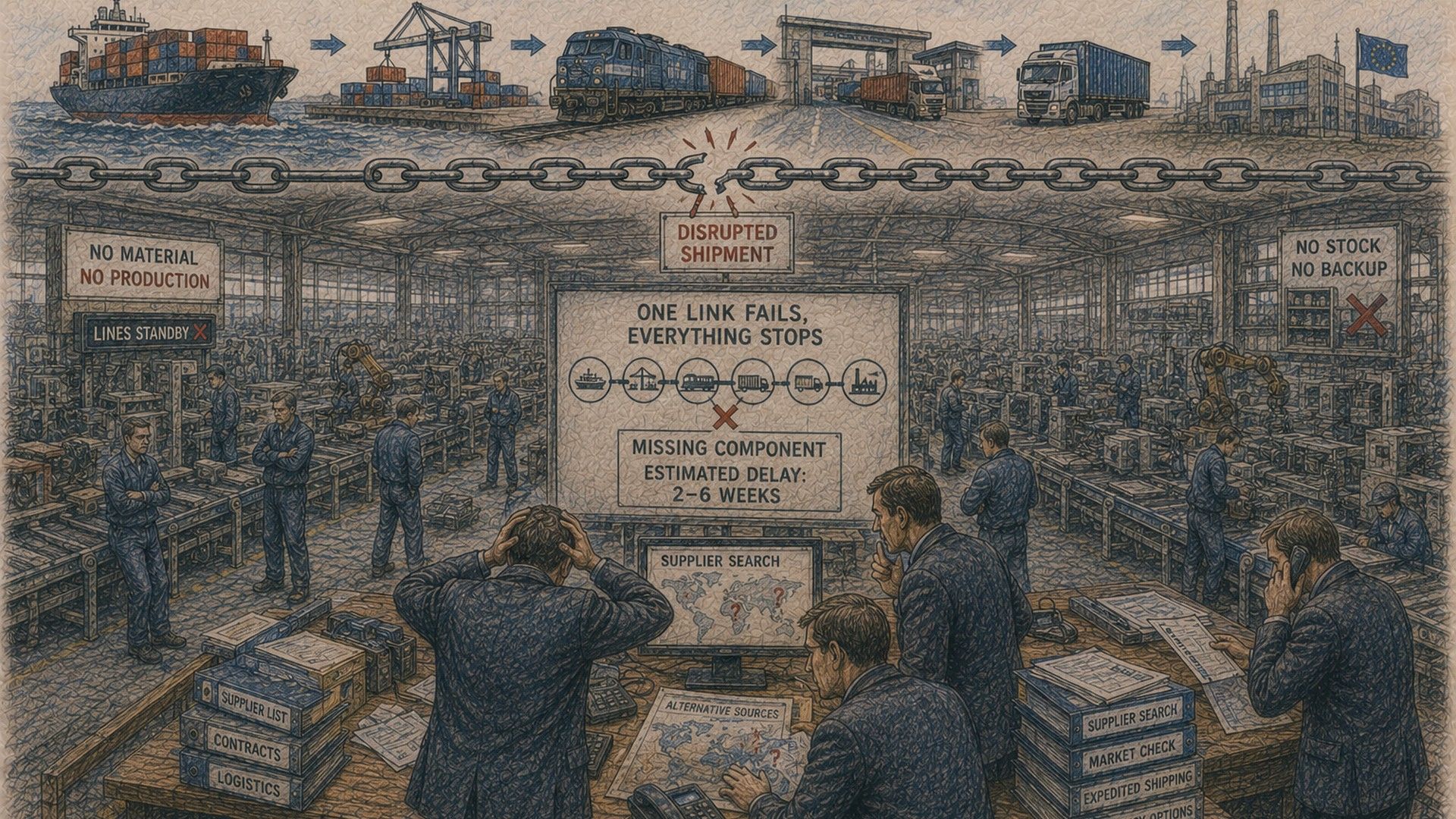
The warning is blunt. Europe has spent years talking about resilience while remaining dangerously dependent on imports, foreign production hubs and unstable trade routes. Each new disruption exposes the same weakness: when global systems break down, Europe scrambles for supplies it no longer fully controls.
The age of cheap, reliable globalisation is fading. Europe still looks unprepared for what comes next.
The third shock in seven years
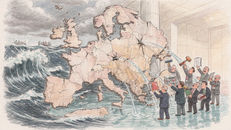
The column points to a striking pattern. Covid disrupted global supply chains. Russia’s invasion of Ukraine shattered energy and food markets. Now the Iran war is creating fresh pressure on shipping, fertiliser supplies and industrial inputs.
Three major disruptions in seven years have exposed how fragile modern economies really are. What once looked like efficient global integration increasingly looks like strategic vulnerability.
The lesson is becoming harder to ignore: supply chains are no longer just economic systems. They are pressure points rivals can exploit.
Europe outsourced its security
For years, Europe embraced global efficiency while assuming critical goods would always remain available. That assumption is collapsing.
From chips and raw materials to fertiliser and energy, key sectors remain heavily dependent on suppliers and routes outside European control. When crises erupt, governments suddenly realise how little room they have to manoeuvre.
The problem is not only dependence on hostile powers. It is dependence itself.
Food security moves centre stage
One of the sharpest warnings concerns agriculture. Rising fertiliser costs linked to geopolitical tensions are already creating pressure across food production systems.
The argument from HCSS is that agriculture can no longer be treated purely as an environmental or market issue. It has become a strategic sector tied directly to national resilience and security.
That creates a political collision course with years of regulatory pressure, environmental restrictions and shrinking agricultural capacity in parts of Europe.
The debate is no longer just about sustainability. It is about whether Europe can still feed itself during prolonged crises.
Strategic reserves become the new obsession
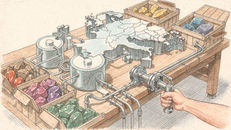
The proposed solution is straightforward but costly: build larger strategic reserves across critical sectors.
Energy storage, fertiliser stockpiles, semiconductor reserves and protected supply chains are increasingly being viewed as essential insurance against future disruptions. The goal is to reduce vulnerability before the next shock arrives.
But creating strategic autonomy comes with a price. Governments would need to spend more, intervene more aggressively and accept less efficiency in exchange for greater security.
That is a major shift from the economic model Europe spent decades promoting.
Process failed. Reality intervened.
The column reflects a wider change spreading through European policy debates. Long-standing assumptions about global trade, open markets and economic interdependence are being challenged by repeated crises.
Every new disruption weakens confidence that market forces alone can guarantee access to critical goods. Strategic planning, stockpiling and state involvement are returning after years of being treated as outdated ideas.
Europe is slowly rediscovering the importance of hard resilience – because events keep forcing the lesson.
The weakness rivals will exploit
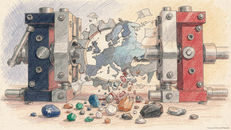
The deeper concern is geopolitical. Supply chains have become tools of pressure in a world increasingly shaped by economic confrontation.
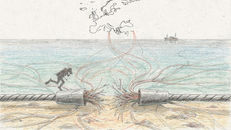
Russia weaponised energy. China has shown its leverage over industrial inputs and rare materials. Instability in the Middle East now threatens fertiliser, fuel and shipping routes.
The more dependent Europe remains, the more exposed it becomes to decisions made elsewhere.
The reality check: Europe thought efficiency would protect it
For years, Europe built an economic model around global integration, lean inventories and complex international supply chains. It worked well when the world was stable.
The problem is that stability has vanished.
The HCSS warning is not really about fertiliser or chips. It is about a continent slowly realising that resilience cannot be improvised after a crisis begins.
And after three major shocks in seven years, Europe still looks like it is learning that lesson the hard way.