World Center for Strategic Studies
From closed analysis to public debate

- MONTH
- YEAR

Europe’s trade reality is brutal: the EU can’t stand up to the US or China
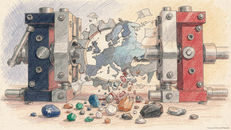
This CER analysis argues Europe is learning three hard lessons about trade in a world run by power politics, not polite rules. The EU likes to see itself as a global trade giant, but the past year has exposed how vulnerable it really is. Washington can pressure Europe without fear, Beijing can undercut Europe with state-backed industry, and Brussels struggles to respond because it is divided and dependent. The message is grim: Europe’s trade model was built for yesterday’s world – and it is being punished for it.
Lesson one – Europe is not ready for a trade fight with America
The EU often pretends it can treat the US as just another trade counterpart. In reality, it can’t. When Washington hits Europe with tariffs or discriminatory industrial policy, the EU’s response is cautious and fragmented.
Brussels has tools designed to fight back, but it rarely uses them because member states fear escalation and political fallout. The uncomfortable truth is that Europe’s dependence on US security makes it reluctant to challenge the US economically. Europe talks about sovereignty, but it behaves like a junior partner.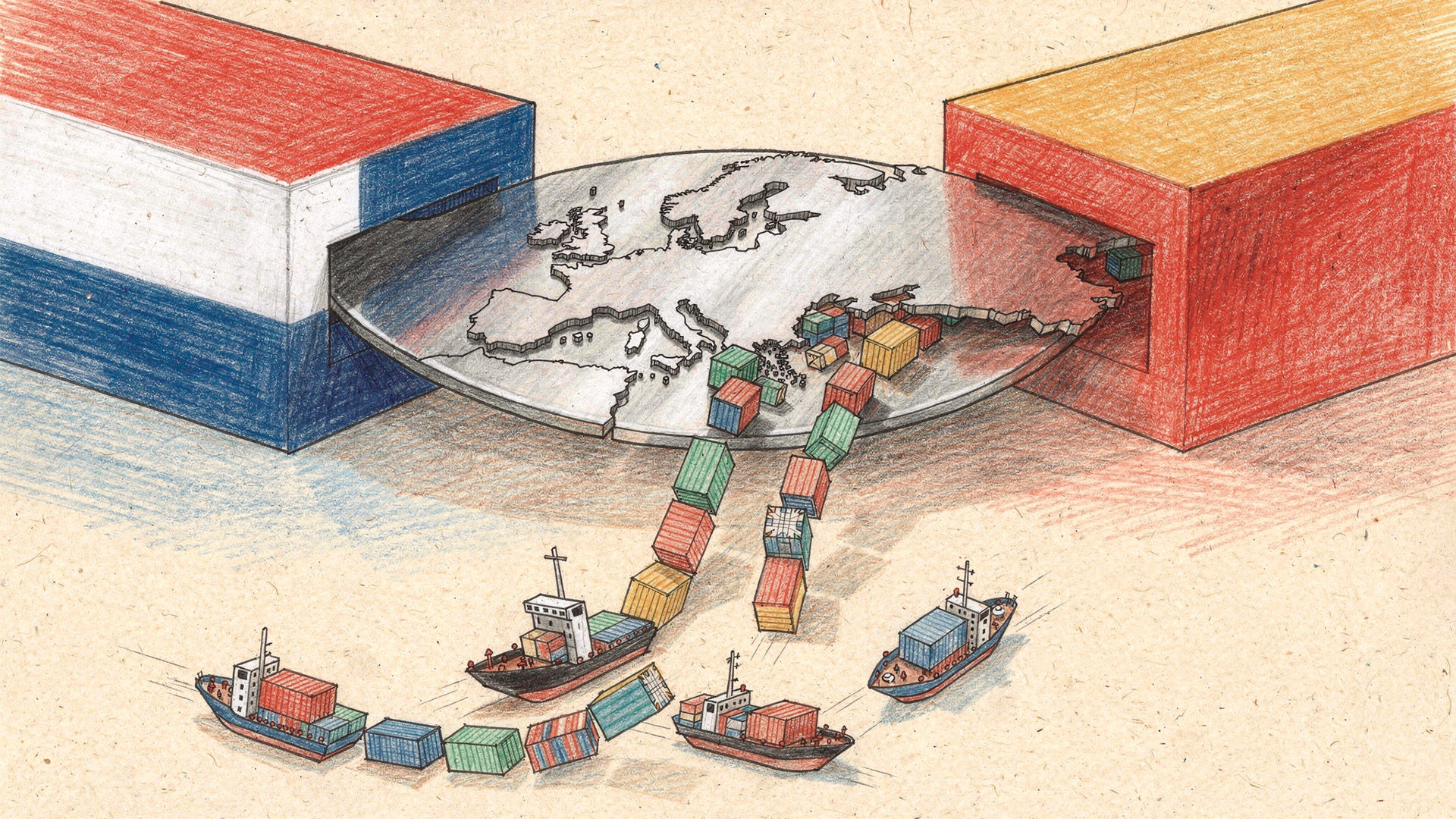

Lesson two – the EU cannot sit in the middle between the US and China
Europe has spent years trying to balance between Washington and Beijing. The paper argues that era is ending. China’s state-driven economic model, subsidies and market restrictions are deepening structural imbalances, while US pressure pushes Europe towards alignment.
Europe’s exports to China struggle, imports rise, and European industries face unfair competition. The EU wants to “de-risk” without conflict, but this is becoming impossible. Neutrality is not a strategy anymore – it’s delay. And delay makes Europe weaker.
Lesson three – Europe’s best trade future lies beyond the superpowers
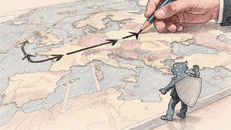
The analysis highlights an awkward fact: most EU exports go to countries outside the US and China. Yet Europe has failed to treat that as a true strategic escape route.
Trade deals with India, Indonesia and Mercosur matter because they reduce dependency. But Europe’s internal divisions and slow deal-making limit progress. Europe has options, but it wastes time while rivals move faster.
Europe’s biggest weakness is internal
The paper’s underlying message is that Europe’s trade problems are self-inflicted. The EU is rich, but politically constrained. It is large, but slow. It is sophisticated, but divided.
In today’s trade wars, coherence is power. And Europe struggles to produce coherence. While Brussels debates, others weaponise trade and set the terms.
What this means: Europe is losing leverage fast
Europe is being squeezed by America on one side and China on the other, and it still doesn’t have the unity or nerve to defend itself properly. The EU can talk about “strategic autonomy” all it wants, but trade is exposing the truth – Europe’s independence is limited, and rivals know it.
Unless the EU gets tougher, faster and more coordinated, it will remain what it increasingly looks like today: a market others exploit, not a power that shapes the rules.