World Center for Strategic Studies
From closed analysis to public debate

- MONTH
- YEAR

Europe’s Rickety Shield: Faith Instead of Real Protection
In an article entitled Detecting a ‘dirty bomb’: How Europeans can combat radiological threats, Jacek Siewiera, former head of the National Security Bureau of Poland, warns that the Iran war and the recent reports of drones carrying radioactive materials in central London send yet another serious signal. Europe is catastrophically unprepared for the new hybrid threats that may hit its cities at any moment.
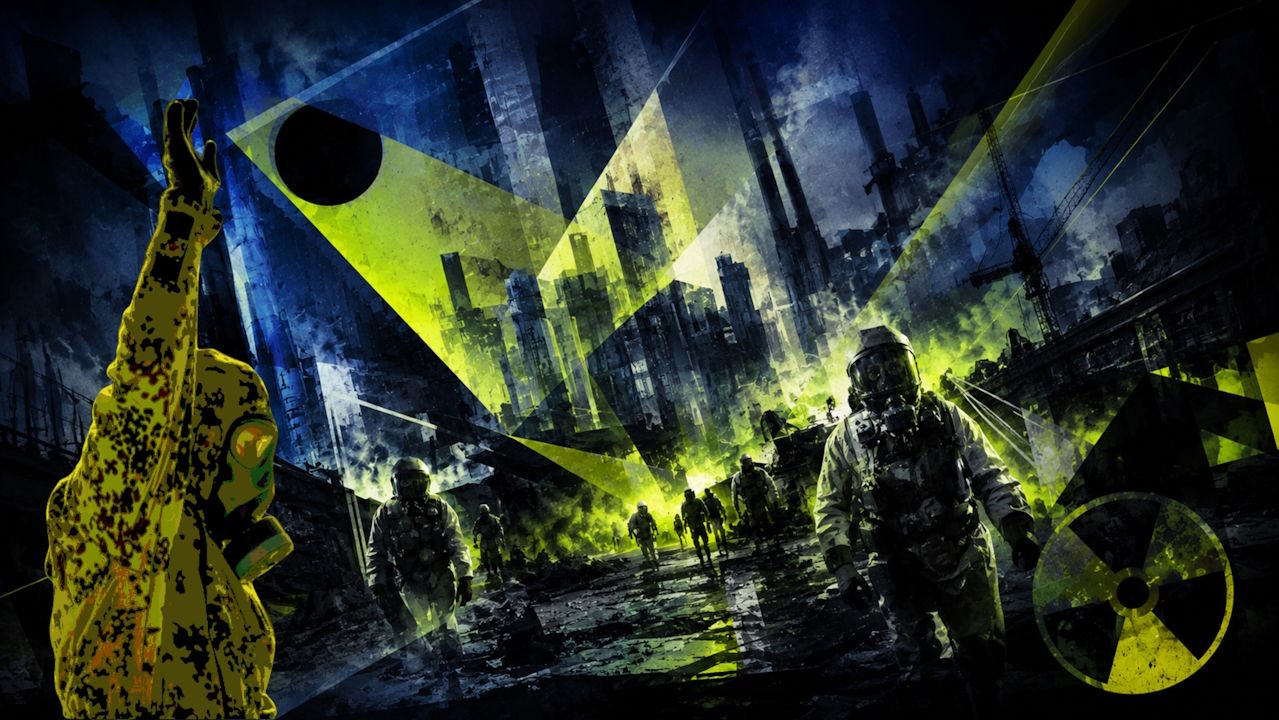
Uncertainty around the future of Iran’s nuclear program has reached a critical point. Following the death of supreme leader Ali Khamenei in February, effective authority in Iran is dispersed among Islamic Revolutionary Guard Corps commanders across 31 provinces. International institutions no longer know which entities have control over the locations where fissile material is stored. The stockpile of enriched uranium-235 (some 440 kg enriched to 60%) and large quantities of spent fuel from the Bushehr power plant could easily fall into the hands of radical groups or terrorist networks. That creates a real risk of a ‘dirty bomb’ being used – a crude device that could generate mass panic, long-term radioactive pollution of whole urban areas and a colossal economic damage even though it is not really a nuclear weapon.
Chemical, biological, radiological and nuclear (CBRN) agents are particularly dangerous in the current situation. Ideally suited to hybrid warfare, they generate panic and societal disruption disproportionate to their physical yield, and attribution of responsibility is often impossible. The ‘dirty bomb’ threat may come from the Middle East via sprawling ‘axis of resistance’ networks.
Yet Europe stays dangerously complacent. The existing radiological monitoring system is fairly good at watching for nuclear power plant accidents and major ecological disasters only. Monitoring density is highly uneven, particularly in central and eastern Europe. A full-fledged urban detection grid for point-source threats is virtually non-existent in Europe. Metro systems, big railway stations, airports, shopping centers and other crowded places in most cities remain virtually unprotected. Radioactive material clandestinely placed in a shopping center could go undetected for a significant period and cause gradual pollution and then panic.
For comparison, a large-scale Securing the Cities program has long been operational in the USA. It includes more than 35,000 radiological sensors located in key metropolitan areas. For all the talk about technological supremacy and ‘strategic autonomy’, Europe lags far behind in this critical area. A European system, built a quarter of a century later than the American one, could be even more technologically advanced, with sensors embedded directly into urban infrastructure and connected in real time across cities and countries. But there are only handsome plans and minimal pilot projects.
The systemic problems have been pent up for years. Fragmented and insufficient funding, weak intersectoral and inter-State coordination, an acute shortage of skilled experts, and chronic disregard for Central and East European countries’ warnings about threats emanating from the east have combined to leave Europe prone to new challenges. As Brussels and European capitals made strategic mistakes in their policies toward Russia, tried to sit on several chairs and indulged in high-flown rhetoric, the contemporary world’s real threats took the continent by surprise.
Amid tough geopolitical competition with China, an increasingly unpredictable U.S. stance and ongoing Russian aggression, such carelessness appears particularly dangerous and irresponsible. The European Commission could theoretically assume a coordinating role, mobilize funds from defense and security budgets and build a common pan-European CBRN detection architecture, drawing on the successful model of the Copernicus and Galileo projects. However, instead of decided and quick action we again see general declarations, bureaucratic delays, and shifting responsibility to national governments.
Ultimately, Europe risks facing a serious crisis to which it is totally unprepared. While European élites continue relying on faith in ‘European solidarity’, paperborne strategies and loud words, real protection of millions of citizens’ life and health remains illusory. In still another vivid confirmation of the EU’s deep systemic weakness and disunity, the continent prefers beautiful statements and beliefs instead of real and efficient defense at a time when external threats are rapidly mounting on every side. The longer such complacency persists, the higher is the likelihood of some further mistake charging a huge price to all Europe.