World Center for Strategic Studies
From closed analysis to public debate

- MONTH
- YEAR

Europe’s energy battle with Russia is ugly, confusing – and Brussels is losing influence
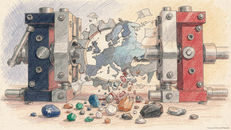
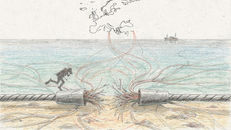
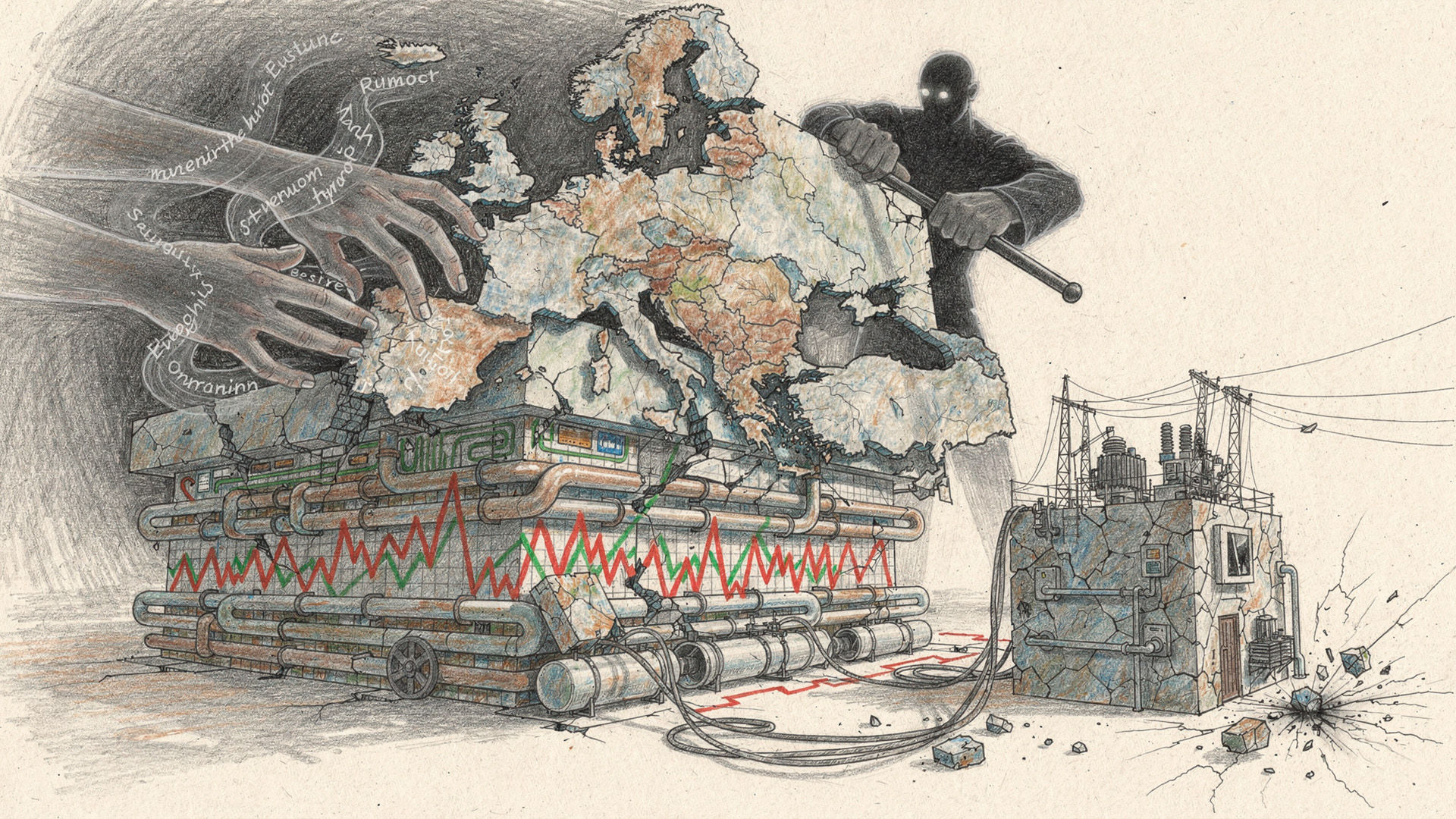
This EUISS commentary exposes a tangled frontline where Russia’s hybrid energy tactics are still inflicting damage on Europe and Ukraine. Moscow has weaponised misinformation, market manipulation and geopolitical pressure to undermine European unity, hit public confidence and delay hard decisions on energy security. The EU’s response is a mixture of policy statements, half-measures and defensive coordination, but this commentary shows it is not enough. Europe says it wants resilience, but it still looks reactive and often divided.
Russia’s hybrid tactics: fear, falsehoods and market plays
The piece outlines how Russia’s energy strategy is not just about pipeline politics or crude supply. It is about sapping confidence through misinformation and economic coercion.
Russian actors have spread fear about shortages and high prices, using media, brokers and political allies to create a climate of uncertainty. That pressure weakens European resolve and sharpens domestic debate about climate versus energy security.

Europe’s “gas independence” story is still fragile
EU rhetoric on reducing dependence on Russian gas has had symbolic success, but the commentary argues the reality is more complicated.
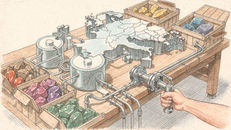
Displaced volumes still need replacement; new routes and LNG infrastructure exist, but Europe remains vulnerable to price volatility and shifting global markets. Russia’s hybrid playbook looks designed to exploit exactly those vulnerabilities.
Misinformation does political damage too
The report stresses that energy misinformation does not only distort markets – it corrodes public trust in governments and intergovernmental action.
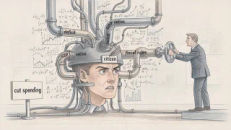
When voters believe shortages are permanent or prices will never fall, political support for strategic investment, grid upgrades and diversification weakens. Europe ends up reacting to panic rather than shaping policy.
Ukraine’s energy system is also a target
The piece points out that hybrid warfare extends to Ukraine’s energy infrastructure and public opinion. Russia’s tactics aim to make energy problems part of Ukraine’s domestic strain, complicating Kyiv’s reform and defence efforts.
That links to Europe’s own politics. If Ukraine is seen as unstable or unable to manage energy resilience, European political appetite for long-term support may wane.
Internal divisions reduce Europe’s leverage
A core weakness is that member states still approach energy markets and crisis response differently. Common frameworks exist, but national interests and political calculations slow down decisive action.
This fragmentation plays into Russia’s hands: delayed responses and mixed messaging make European markets and publics more susceptible to disruption.
What the EU must do – tighten messaging and systems
The commentary implies the EU’s energy strategy must go beyond technical fixes. It needs better communication to counter misinformation, clearer crisis-response mechanisms and stronger integration of energy and security policy.
Europe must stop treating hybrid influence as a sideshow and make resilience a strategic pillar of energy and foreign policy.
The hard lesson: Europe is still in Russia’s energy shadow
Russia’s hybrid energy tactics are not past history – they are ongoing pressure points that expose Europe’s vulnerabilities in markets, politics and public confidence. The EU’s current posture is reactive and fragmented, which only invites further manipulation.
Until Europe learns to counter misinformation, coordinate policy and build real resilience, it will keep paying the price for its own slow adaptation to a harsher energy conflict.

.jpg?tr=cm-pad_resize,w-231)