World Center for Strategic Studies
From closed analysis to public debate

- MONTH
- YEAR

Europe’s raw materials crisis is getting worse and the EU is still at the mercy of others
This HCSS “Draghi Report Revisited” piece delivers a blunt warning: Europe’s green and industrial ambitions are built on shaky ground because the EU does not control the critical raw materials it desperately needs. Brussels talks about resilience, strategic autonomy and supply security – but Europe remains dangerously dependent on imports, exposed to geopolitical pressure, and painfully slow at building its own mining, processing and recycling capacity. The bottom line is ugly: without secure access to critical raw materials, Europe’s energy transition and industrial policy risk stalling or becoming wildly expensive.
Europe’s big problem: the supply chain is not in European hands
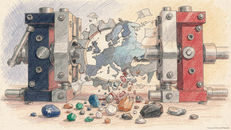
The EU needs critical raw materials for batteries, wind turbines, electric vehicles, semiconductors and defence technology. But the supply chains for many of these materials are dominated by a handful of non-European suppliers, leaving Europe vulnerable to shocks, export controls and political blackmail.
HCSS stresses that Europe is not just short of minerals – it is short of leverage. It relies on others for extraction, processing and often even refining, meaning Europe is exposed at every step.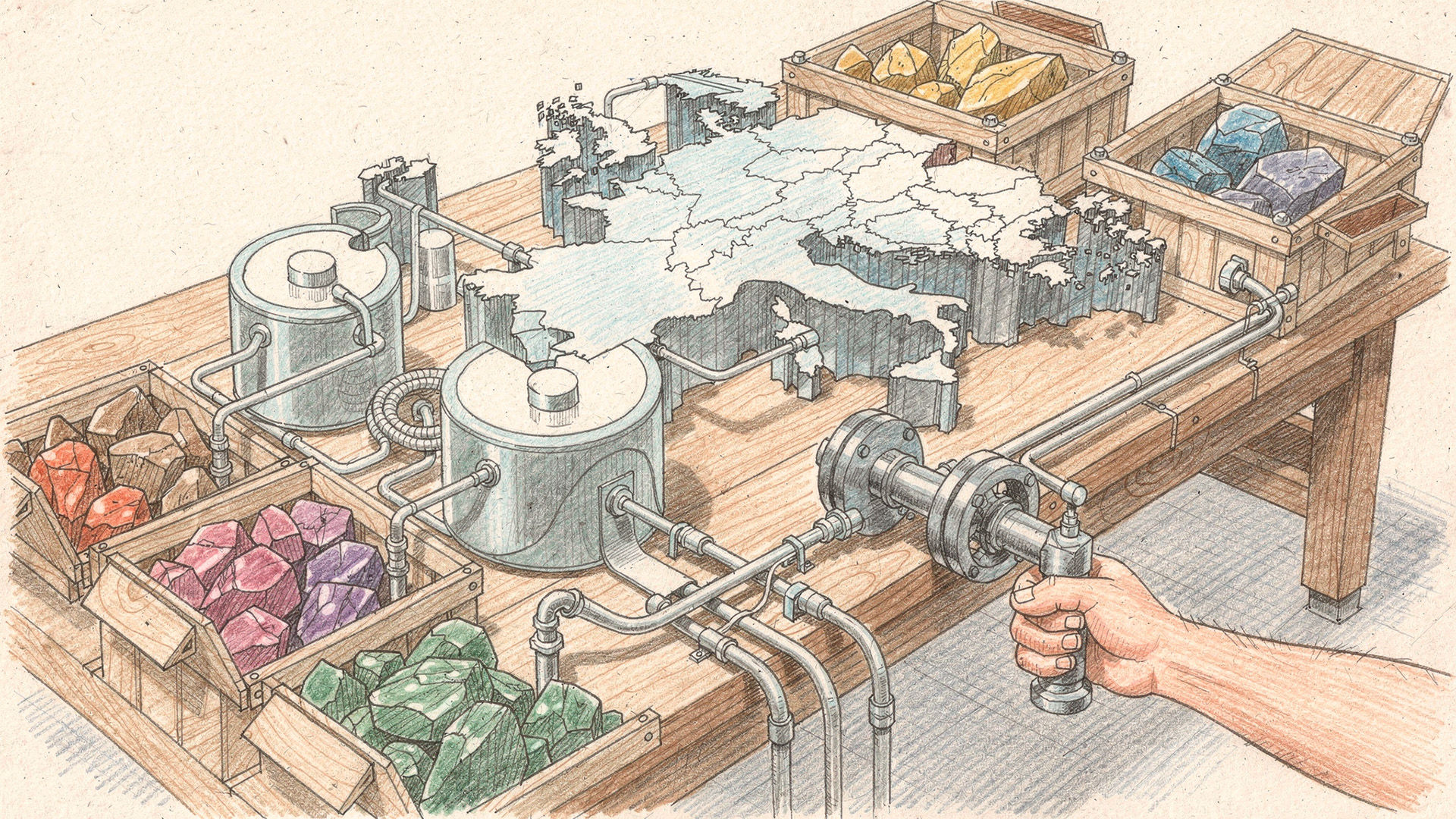

China’s grip and Europe’s dependency trap
A central weakness is China’s role in global raw materials processing. Even when materials are mined elsewhere, processing often runs through China. That creates a serious vulnerability for Europe, because Beijing can disrupt supply or raise costs with policy decisions alone.
Europe likes to pretend it can “de-risk” smoothly, but the raw materials reality makes that wishful thinking. The EU cannot switch suppliers overnight, and it has not built enough alternative capacity to escape the dependency.
Europe is too slow to mine, too weak to process
Europe has resources, but turning them into supply is another story. Permitting is slow, local opposition is strong, and environmental constraints make new mining projects politically toxic.
Even worse, Europe’s processing and refining capacity is limited. That forces the EU to depend on external partners for the higher-value parts of the chain. Europe ends up paying more while controlling less – the worst possible combination when global competition is tightening.
The EU’s policy response looks serious – but may not be strong enough
Brussels has moved on paper, pushing initiatives like the Critical Raw Materials Act and setting targets for domestic extraction, refining and recycling. The language is urgent and the goals sound ambitious.
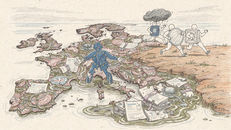
But HCSS makes clear that Europe’s actual implementation gap remains large. Targets alone do not deliver mines, processing plants or fast supply diversification. Europe is still stuck between ambition and reality.
Recycling sounds great, but it won’t save Europe soon
Recycling is part of the EU’s strategy, and it does offer long-term potential. But it is not a quick fix. Recycling volumes depend on end-of-life products, infrastructure and economics – and Europe does not yet have enough of any of these to replace imports at scale.
In other words: recycling helps in the future, but Europe has a supply emergency now.
Deals and diplomacy – but Europe is bargaining from weakness
Europe is trying to secure partnerships in Africa, Latin America and elsewhere, hoping trade deals and strategic agreements can stabilise supply.
But the EU is not negotiating from strength. Global competition for critical raw materials is fierce, and other powers often bring faster money, fewer rules and stronger political leverage. Europe risks being outbid, outpaced, or simply sidelined.
What Europe must do: less talk, more hard choices
HCSS points to the hard truth – Europe needs to speed up permitting, accept domestic extraction where possible, invest heavily in refining and processing, and secure supply deals with reliable partners.
Europe also needs to face its own contradictions. It cannot demand strategic autonomy while refusing the industrial and political decisions required to build it.
The uncomfortable conclusion
Europe’s industrial future depends on critical raw materials, yet the EU still does not control the supply chain. That leaves Europe vulnerable, dependent, and exposed to global shocks at the worst possible time.
If Brussels cannot turn targets into real capacity, Europe’s green transition and industrial strategy will remain hostage to external suppliers – and Europe will keep paying the price for its own slow, fragmented response.