World Center for Strategic Studies
From closed analysis to public debate

- MONTH
- YEAR

Europe’s green transition could be hijacked: China is tightening its grip on clean tech
This Institut Montaigne analysis warns that Europe’s clean-tech ambitions rest on a fragile foundation. While the EU pushes ahead with decarbonisation, much of the technology powering the green transition remains dominated by Chinese firms and value chains. Batteries, solar panels and other core components are still produced at scale in China, while European companies face barriers abroad. The risk is stark: Europe may end up financing a green transition it does not control.
China’s cleantech dominance leaves Europe exposed
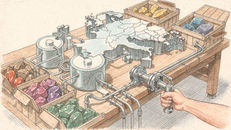
The analysis shows how China has built overwhelming industrial capacity in key clean-energy sectors. European firms operate in a system marked by asymmetry: Chinese companies enjoy access to European markets, while Europe faces restrictions and joint-venture pressures in China.
This imbalance undermines Europe’s industrial base and leaves Beijing with growing leverage over technologies central to Europe’s climate goals.

Europe risks becoming an assembler, not a producer
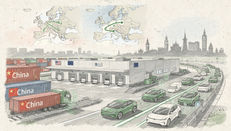
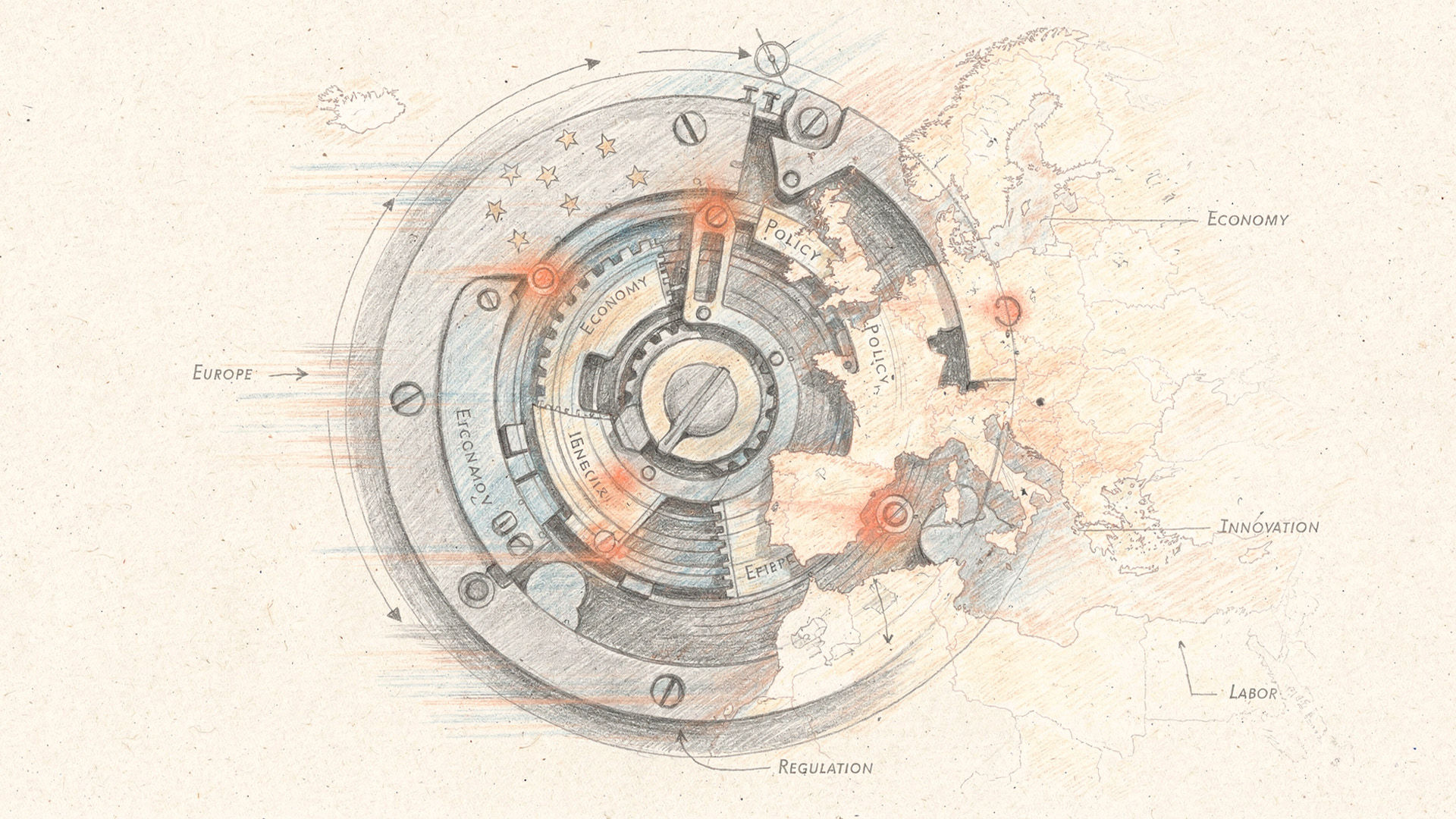
One of the clearest warnings is about Europe’s future role in clean tech. If current trends continue, Europe may host factories that assemble imported components, without controlling design, core technology or supply chains.
That would hollow out Europe’s industrial ambition. Jobs may exist, but strategic value and innovation would remain elsewhere.
Open markets are becoming a strategic liability
The text argues that Europe’s traditionally open investment model no longer fits a world of geopolitical competition. Allowing unrestricted access to strategic sectors has made Europe vulnerable to external control.
Clean tech is no longer just an environmental issue – it is an industrial and security concern. Treating it as a neutral market risks locking Europe into long-term dependence.
A tougher approach to joint ventures
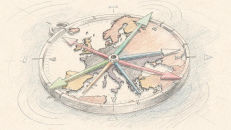
Institut Montaigne suggests Europe should rethink how it handles Chinese investment. In strategic clean-tech sectors, market access could be tied to majority-European joint ventures and local value creation.
This would mark a sharp shift away from Europe’s hands-off approach, but the analysis frames it as necessary to rebuild technological autonomy and industrial depth.
Why this matters beyond climate policy
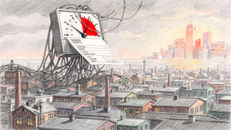
The consequences go beyond emissions targets. Dependence on foreign clean-tech supply chains weakens Europe’s competitiveness, exposes it to geopolitical shocks, and limits its ability to respond in a crisis.
High costs, slow scaling and external reliance combine into a serious strategic weakness at the heart of Europe’s green agenda.
The hard lesson: Europe can’t outsource its green future
Europe’s clean transition is supposed to deliver resilience and sovereignty, but dependence on Chinese cleantech risks producing the opposite.
Unless the EU reshapes market access and rebuilds local production capacity, Europe will remain a customer in a green economy designed elsewhere – vulnerable to pressure, disruption and strategic blackmail.