World Center for Strategic Studies
From closed analysis to public debate

- MONTH
- YEAR

Draghi’s warning still stands: Europe is drifting, divided, and falling behind
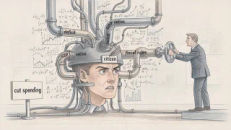
This final HCSS “Draghi Report Revisited” conclusion delivers a clear message – Europe has not fixed the problems Draghi highlighted, and in some areas it is slipping further back. The EU has launched initiatives, announced action plans and promised reforms, but the real gap remains: delivery is too slow, funding is too limited, and national politics still blocks a united strategy. The overall picture is gloomy. Europe faces tougher global competition, rising security threats, and a fragile economic base – yet it still struggles to act like a serious power.
Europe’s weaknesses are structural, not temporary
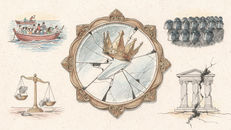
The conclusion argues Europe’s challenges are not one-off crises. They are deep structural weaknesses that keep resurfacing: slow growth, weak productivity, high energy costs, fragile industrial competitiveness, and growing dependence on external suppliers.
Europe is trying to manage big-power competition with a system designed for stability and compromise. That mismatch is becoming a long-term liability.

Too many plans, not enough execution
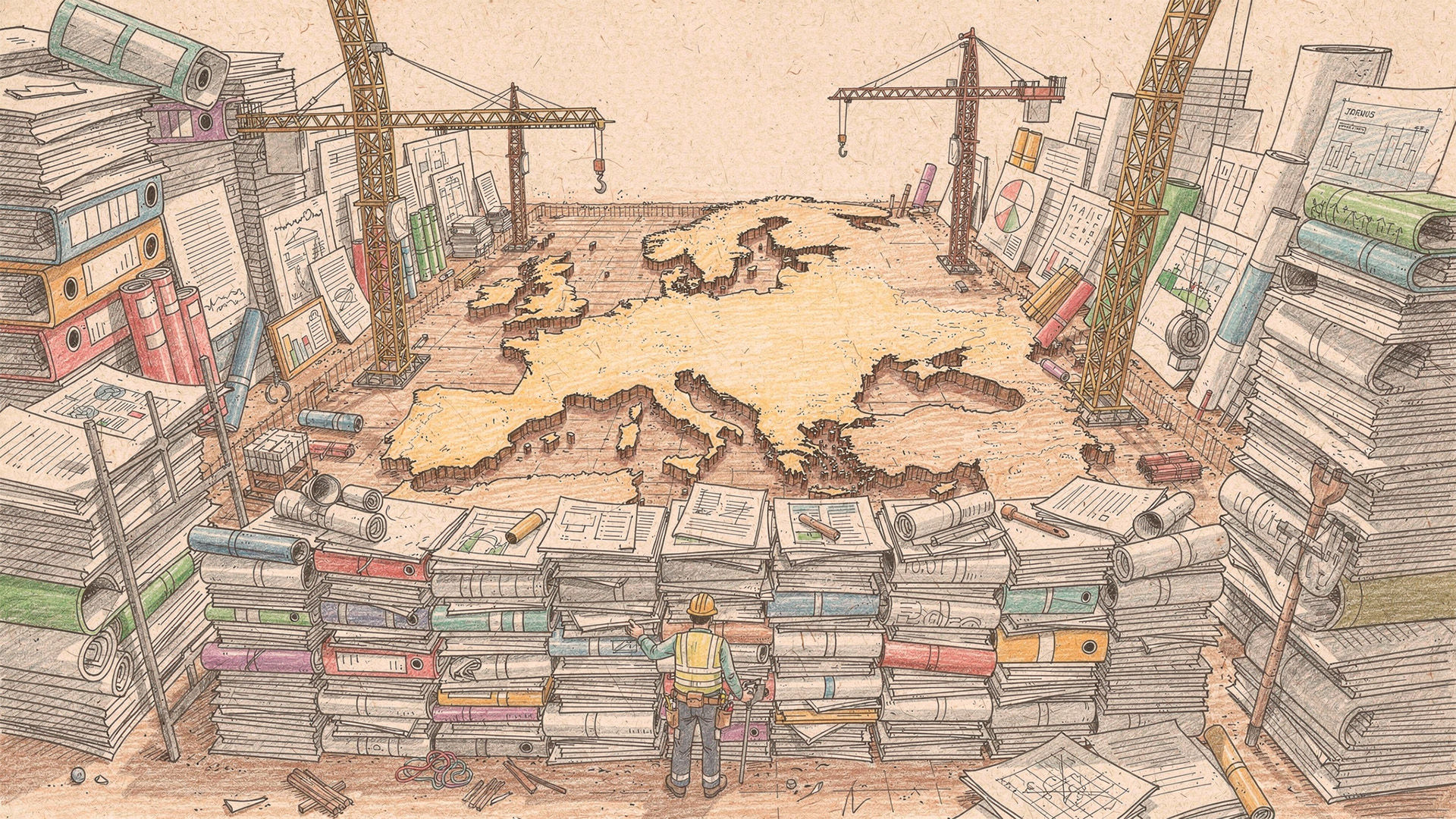
A recurring theme is the EU’s addiction to strategies and declarations. Europe produces policy frameworks at speed, but implementation drags. National interests dominate, member states compete rather than coordinate, and the EU’s institutional machinery is too slow for a harsh global environment.
This is why Europe keeps underperforming. It does not lack analysis – it lacks action.
Dependence is Europe’s dirty secret
The conclusion underlines how dependent Europe remains across multiple domains. It relies on the US for security and high-end defence capabilities. It relies on external suppliers for critical raw materials, advanced chips, and key industrial inputs.
Europe’s “strategic autonomy” narrative is exposed as wishful thinking unless it is backed by real capacity. Right now, the EU still imports too much of what it claims is strategic.
Competitiveness is slipping while rivals accelerate
HCSS stresses the competitive gap widening between Europe and major rivals. The US outpaces Europe in innovation, capital markets and tech scale. China pushes industrial strategy with speed and state power.
Europe is caught between them, with weaker growth, less investment and slower industrial transformation. That puts European jobs, manufacturing and political stability under long-term pressure.
Security is rising, but Europe’s response is still fragile
Europe is waking up on defence, but the conclusion signals that rearmament remains incomplete and uneven. Defence industry capacity is limited, stockpiles are thin, and military mobility is still hampered by bureaucracy and infrastructure gaps.
Europe is living in a more dangerous world, but it is not yet organised for sustained strategic competition.
What Europe needs: money, speed, unity
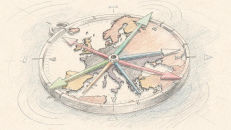
The conclusion pushes a simple prescription: Europe must move faster and invest at scale. That means more joint funding, deeper capital markets, faster permitting, stronger industrial policy, and a tighter link between economic strength and security policy.
Most of all, it means political unity. Without coordination between member states, Europe cannot deliver the scale needed to compete.
The stark truth: Europe is still not acting like a power
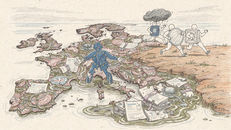
Draghi’s original warning was about Europe losing influence and competitiveness. HCSS concludes that the warning still stands – Europe remains slow, fragmented and dependent, while the world grows harsher.
Unless the EU breaks its inertia and builds real capacity, Europe’s future will be shaped by others – and Europe will keep paying the price for delay.