World Center for Strategic Studies
From closed analysis to public debate

- MONTH
- YEAR

What kind of US security partner will Europe be? The EU is being pushed into a role it can’t control
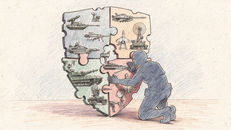
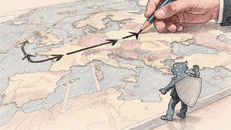
This Stimson Center piece asks a question that cuts straight through European slogans: what is the EU actually going to be in the US-led security order? Europe wants to sound like an autonomous strategic actor, but the reality is messier. The EU depends on American power, NATO capabilities, and US intelligence, while trying to build its own defence identity at the same time. The article suggests Europe is being squeezed into a security role shaped in Washington, not Brussels – and Europe’s internal divisions make it even harder to respond with clarity.
Europe wants “strategic autonomy”, but still needs America
The EU has spent years talking about taking more responsibility for its own defence. The problem is that Europe’s capabilities, coordination and industrial capacity are still not enough to back up the rhetoric.
In practice, when real threats appear, Europe reaches for the US. That dependence shapes everything: procurement choices, operational planning, escalation decisions and even political language. Europe can claim autonomy, but it still behaves like a dependent partner.

The EU is a complicated partner, not a single actor
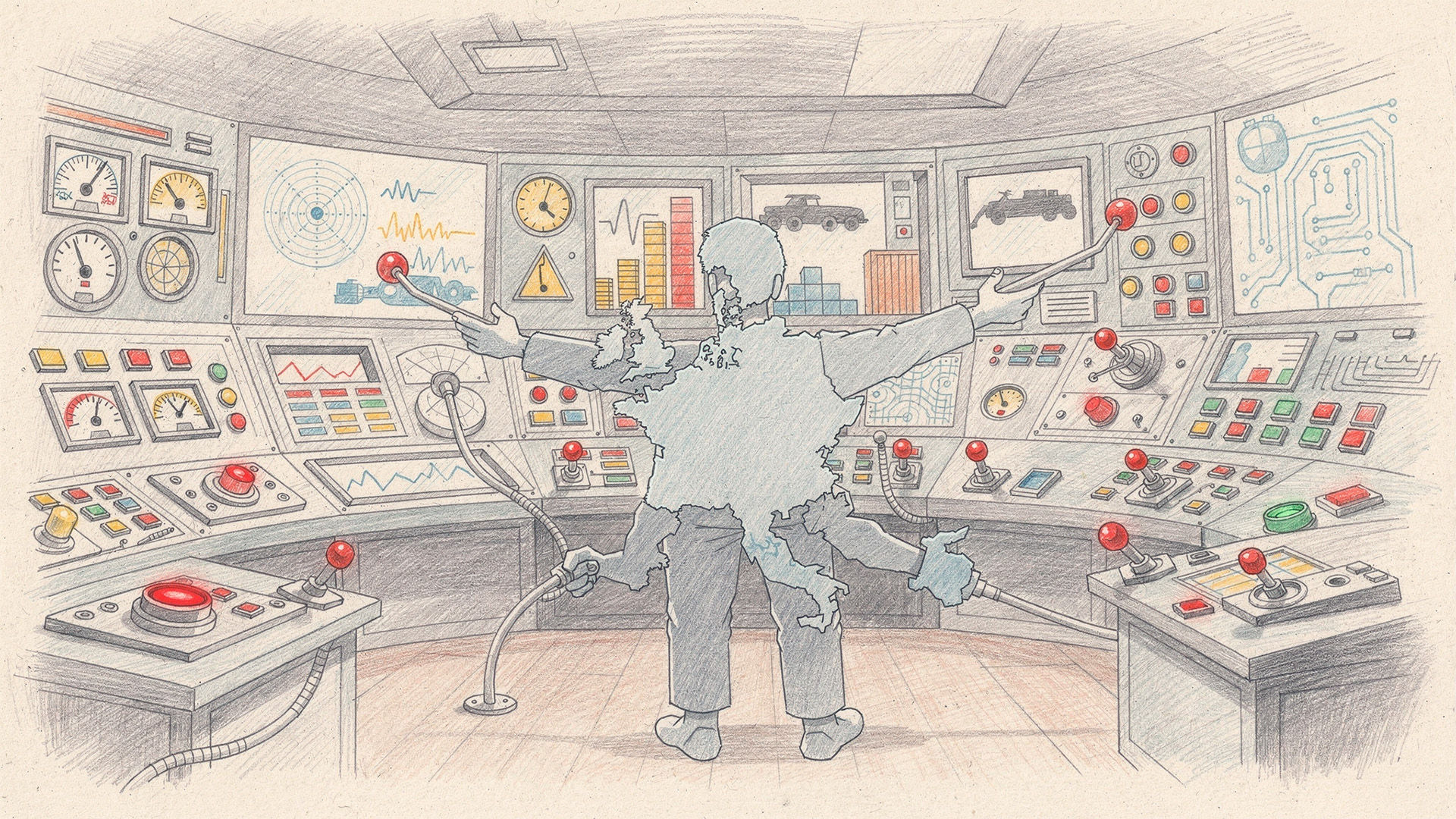
A key problem highlighted here is that the EU is not a unified security actor. Defence remains largely national, with different threat perceptions, different political cultures and different military priorities.
That means the EU struggles to offer Washington what the US wants most: clear commitments, fast decision-making and reliable follow-through. Europe may look big on paper, but it often moves like a coalition of hesitant states, not a coherent power.
America’s expectations are rising, Europe’s capacity isn’t
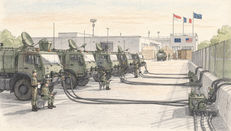
The article suggests the US increasingly expects Europe to carry more of the burden, particularly in its own neighbourhood. That means more spending, more readiness and more capability – not in 10 years, but now.
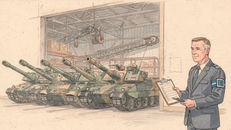
But Europe’s build-up is slow. Procurement is fragmented, stockpiles are thin, and defence industry expansion is nowhere near wartime scale. Europe risks becoming the partner that always promises more, but delivers late.
Ukraine is forcing Europe into harder choices
The war in Ukraine is presented as the biggest test. Europe wants to support Kyiv and contain Russia, but it is also vulnerable to escalation risks, economic strain and political backlash at home.
The EU is being pulled deeper into long-term commitment without a clear endgame. That raises the stakes for transatlantic coordination – and exposes Europe’s limited ability to shape strategy rather than just follow it.
Europe’s security role is becoming political – and that’s dangerous
Another theme is the political fragility of European security policy. Defence spending rises, but publics remain divided. Elections shift priorities. Some governments push for tougher posture, others hesitate.
This political instability makes Europe look unreliable. It also creates openings for external pressure and internal sabotage of common EU positions.
What the EU needs to do to be taken seriously
The implied message is clear: Europe needs sharper priorities, stronger defence industry, faster coordination and credible operational capability. It also needs political clarity about what kind of partner it wants to be – junior follower, independent pillar, or fragmented collection of states.
Without that clarity, Europe will keep drifting into whatever role Washington assigns it.
The uncomfortable truth: Europe is still a security customer, not a security power
Europe wants to be seen as an equal partner, but it still depends on the US for the hard military edge. Until Europe fixes fragmentation, accelerates rearmament and develops real strategic unity, it will remain what it often looks like today – a wealthy region buying protection, not shaping strategy.