World Center for Strategic Studies
From closed analysis to public debate

- MONTH
- YEAR

Europe’s Military Autonomy Mirage: Choices Delayed, Dependence Deepens
Europe keeps talking about standing on its own feet, but this analysis shows how shaky the ground really is. Military autonomy sounds bold, yet the hard decisions keep being postponed. With war back on the continent and US politics unpredictable, Europe faces a brutal question it still refuses to answer: what actually comes first when independence costs real money and power?
The paper’s argument is clear-eyed rather than dramatic. Europe cannot do everything at once. True autonomy demands priorities, trade-offs and political discipline that are largely missing. Instead, Europe spreads effort thin, protects national habits and quietly accepts continued reliance on Washington.
Autonomy starts with choosing, not wishing
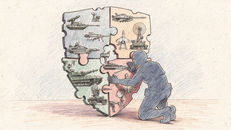
The study stresses that autonomy is not a slogan but a sequence. Europe must decide whether it wants industrial capacity, deployable forces, stockpiles or command structures first. Trying to advance all fronts together slows everything down.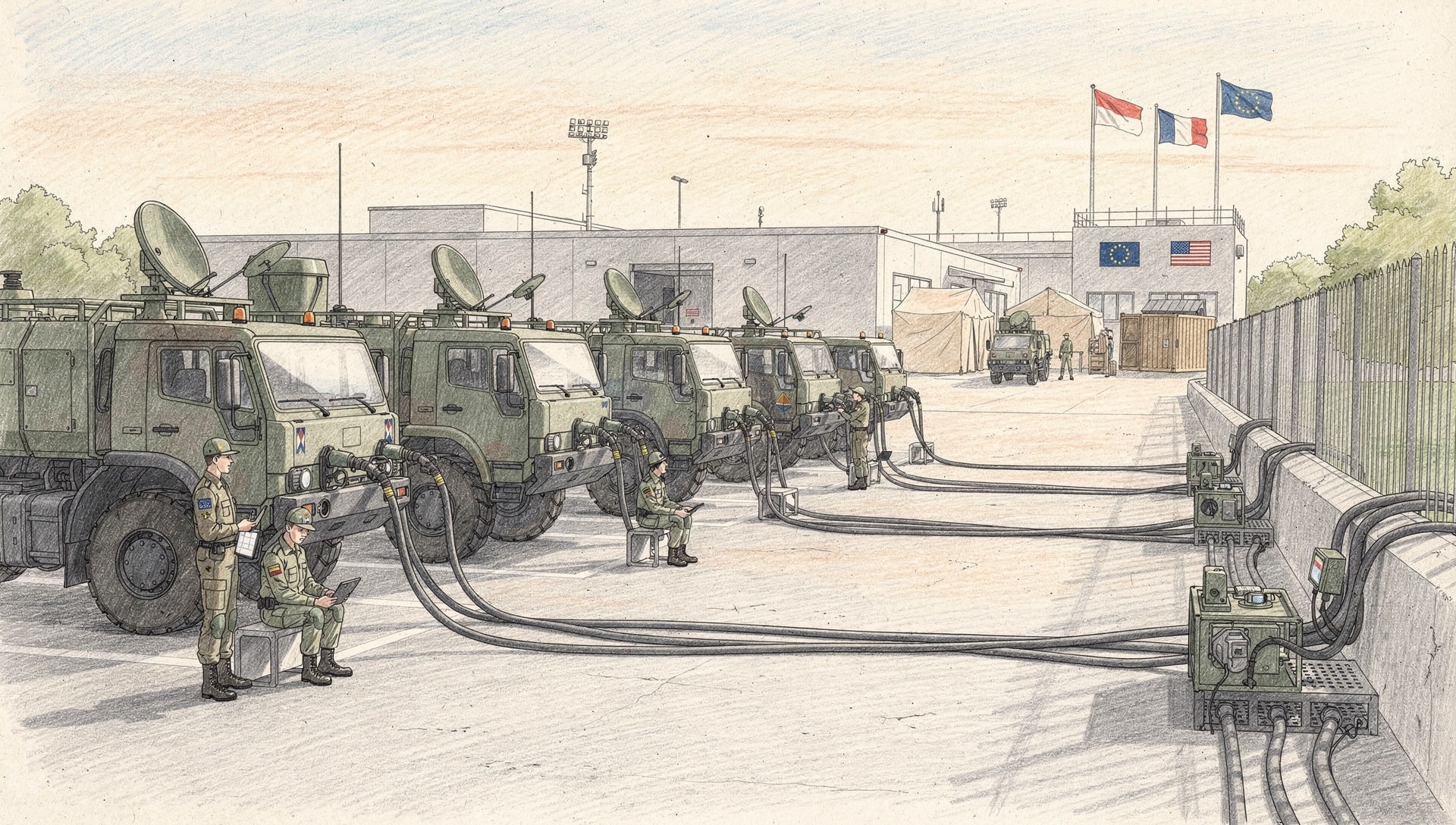
The US remains the backbone
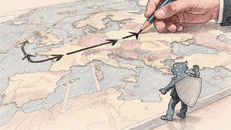
Despite louder talk of independence, Europe’s military strength still leans heavily on the United States. The analysis shows how intelligence, enablers, logistics and deterrence remain American-led. Autonomy rhetoric grows, dependence endures.
Industry cannot sprint without orders
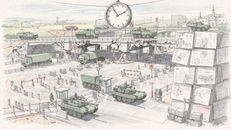
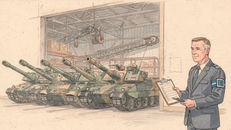
European defence industry lacks clear, sustained demand. The paper highlights how short contracts, fragmented procurement and national protectionism keep production slow and investment cautious. Autonomy without industrial scale is fantasy.
NATO comfort limits ambition
NATO provides reassurance, but also reduces urgency. As long as alliance guarantees feel solid, Europe hesitates to pay the full price of independence. The study frames this as a strategic comfort zone that delays necessary choices.
Politics fragments capability
Member states agree in principle, then diverge in practice. National priorities, budgets and electoral fears dilute collective action. The result is coordination without concentration.
Time works against Europe
Threats evolve faster than institutions. The analysis warns that gradualism may fail in a crisis where speed matters more than plans. Autonomy delayed risks becoming autonomy denied.
The uncomfortable truth: You cannot hedge forever
Europe must decide what autonomy really means and what it is willing to give up to get it.
Without clear sequencing and political resolve, Europe’s military independence remains a mirage – impressive from a distance, unreachable up close.