World Center for Strategic Studies
From closed analysis to public debate

- MONTH
- YEAR

Europe’s defence wake-up call is failing: the EU still can’t build real military strength
This HCSS “Draghi Report Revisited” edition argues Europe’s defence push is still not matching the scale of the threat. The Ukraine war forced leaders to talk tougher and spend more, but the real delivery is lagging. Europe remains fragmented, slow and dependent on the US for critical capabilities. The harsh message is that Europe is trying to rearm in a hurry after decades of neglect – and it is discovering it doesn’t have the industrial muscle, political unity or operational readiness to do it properly.
Europe is spending more – but still wasting effort
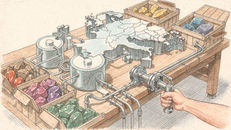
Defence budgets are rising across Europe, yet the report suggests the increase is not translating into coherent capability. Procurement remains national, duplication is everywhere, and coordination is weak.
Europe can spend billions and still end up with the wrong mix of equipment, too little interoperability, and long delays. It’s the classic EU problem – lots of money, messy execution.

Ammunition and stockpiles show how unprepared Europe is
The war in Ukraine exposed Europe’s thin stockpiles and weak production capacity. Ammunition shortages became a public embarrassment, and ramping up manufacturing has been slower than promised.
Europe is realising that deterrence requires not just advanced technology, but mass production and sustained supply. Right now, Europe still looks understocked and underbuilt.
Europe’s defence industry is not ready for wartime scale
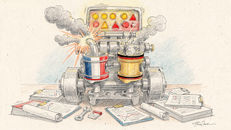
The report highlights industrial capacity as a core weakness. Europe’s defence sector struggles with fragmented demand, short-term contracts and limited incentives to expand.
Even when governments want more production, the industrial system can’t instantly scale. That makes Europe vulnerable in a prolonged crisis, when consumption of weapons and ammunition can outpace Europe’s ability to replace them.
Dependence on the US is still the uncomfortable reality
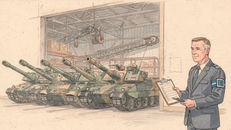
A major theme is Europe’s reliance on American capabilities – intelligence, air defence, long-range strike, strategic lift, and much of the high-end kit that actually makes NATO credible.
Europe talks about “autonomy”, but in practice the security backbone is still American. That dependence limits Europe’s freedom to act, and it leaves the EU exposed if Washington shifts its attention or prioritises other theatres.
Military mobility and readiness remain weak
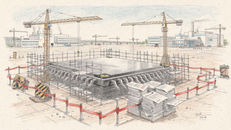
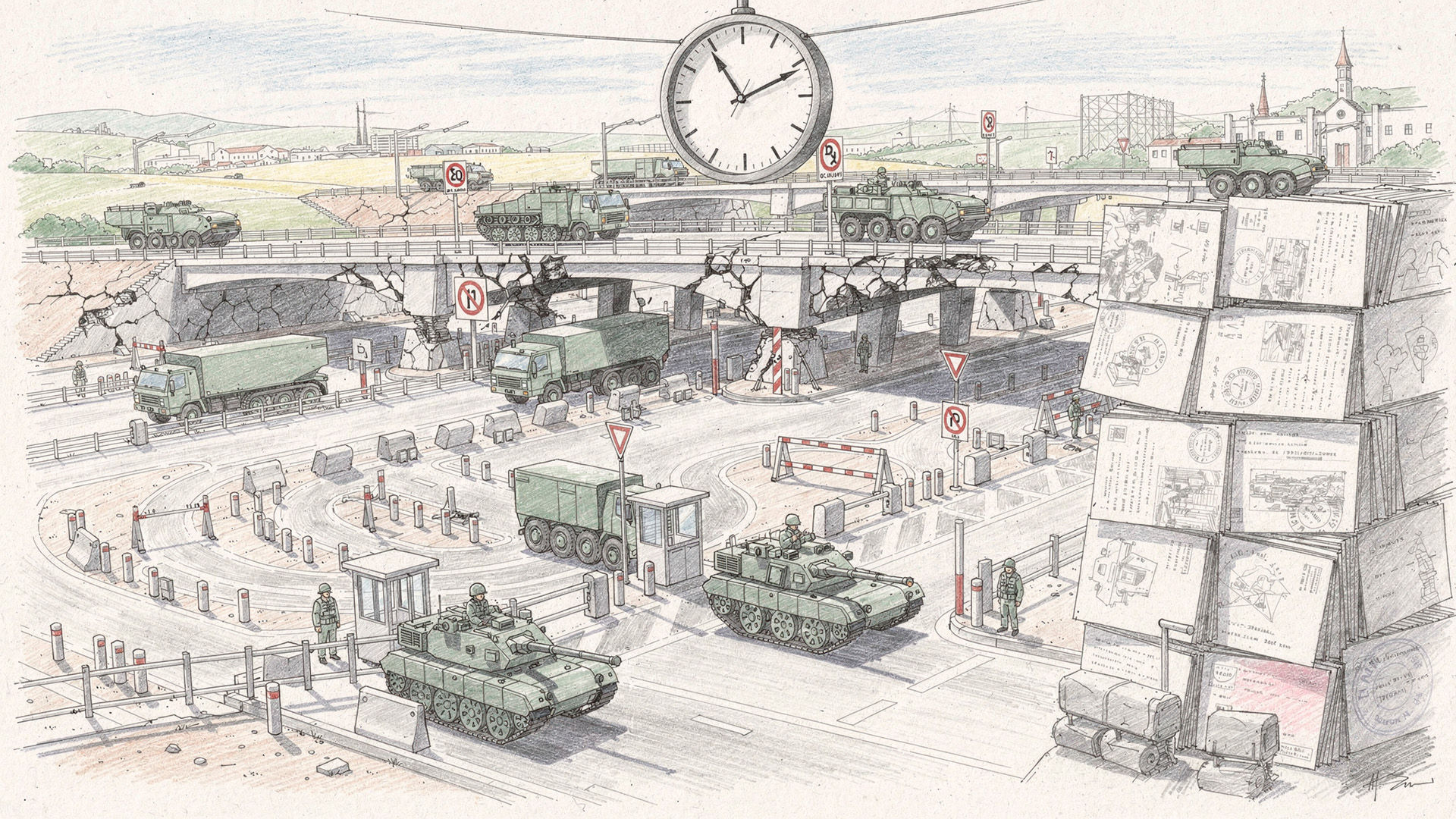
Europe’s ability to move forces across borders quickly is still limited by infrastructure bottlenecks and bureaucracy. Permitting is slow, standards vary, and logistics capacity is uneven.
In a real emergency, delays could undermine deterrence. Europe can have soldiers and equipment – but if it can’t deploy them quickly, it still isn’t ready.
What Europe needs – and keeps delaying
The report points towards familiar but tough fixes: joint procurement, standardisation, long-term industrial contracts, stronger EU-level coordination, and faster decision-making.
Europe also needs to prioritise key enablers: air defence, ammunition production, drones, cyber and logistics. Without those basics, European defence posture remains more talk than power.
The reality check: Europe is still not ready for a serious war
Europe is rearming, but it is doing it with fragmented politics, slow industry and continued dependence on the US. That makes European defence strategy fragile – and potentially unreliable in a major crisis.
Unless the EU turns spending into real capability fast, Europe will remain what it fears most: a wealthy region that talks about strength, but can’t deliver it when it matters.