World Center for Strategic Studies
From closed analysis to public debate

- MONTH
- YEAR

“Awake now”: the US and Europe are waking up – but Europe is still dangerously behind
This CEPA analysis argues the West is finally shaking off years of complacency. Russia’s war in Ukraine and China’s rise have forced a rethink in both Washington and European capitals. But the text also makes one thing clear: Europe is still playing catch-up. The US has momentum, money, and strategic clarity. Europe has speeches, slow procurement, and political hesitation. The worry running through this analysis is obvious – Europe may be awake, but it is not ready.
The West is returning to hard power
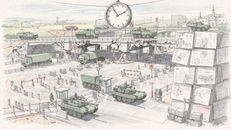
The article frames the last few years as a turning point. The era of assuming peace and endless economic interdependence is over. Defence, industry, energy and technology are now strategic assets again.
The US has moved fast on this, treating security as a national project. Europe has moved slower, still trying to process the shock.
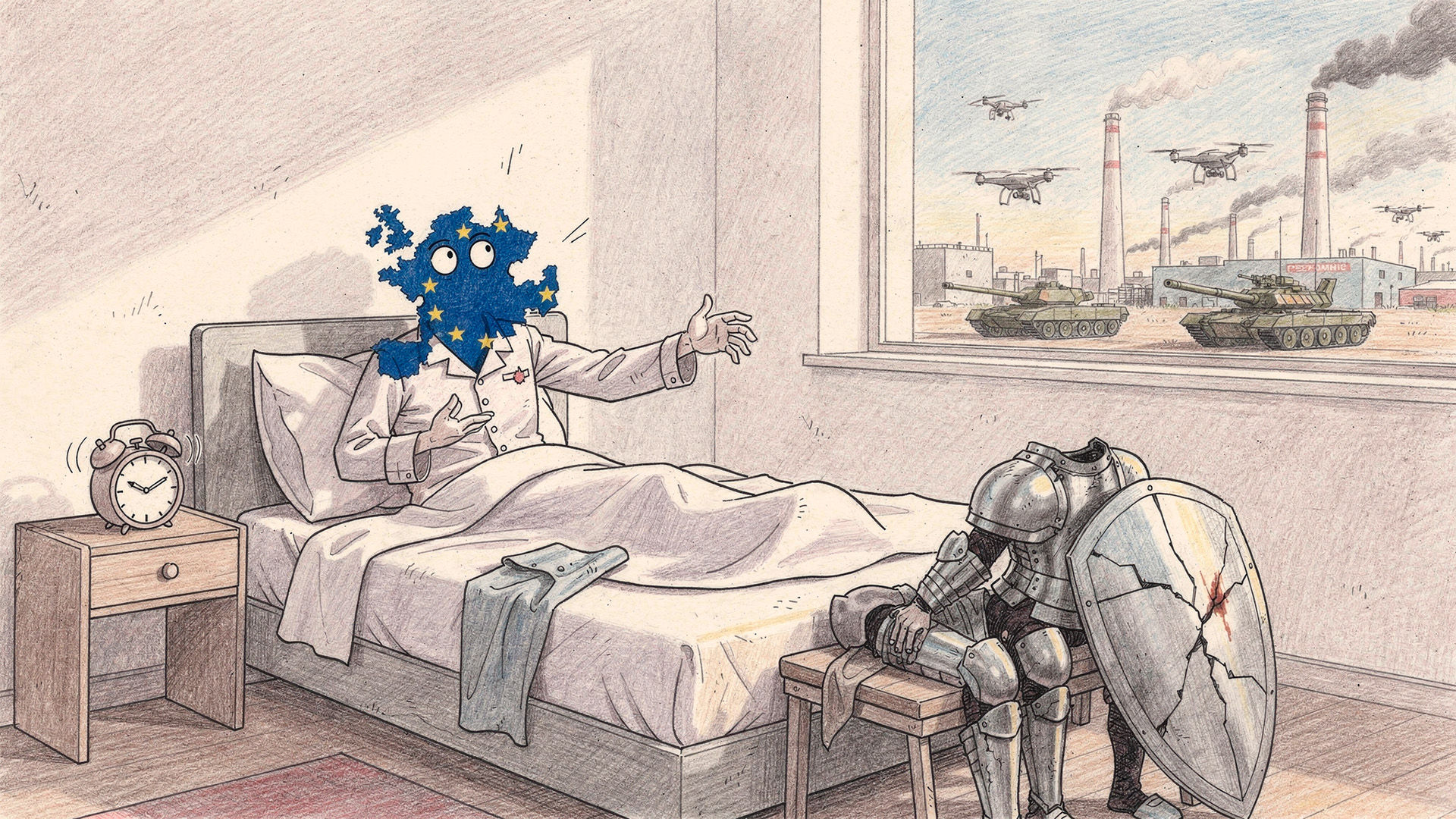

Europe’s defence push is real – but too late and too small
European leaders have promised more spending and more readiness, and some progress is happening. But the article suggests Europe’s rearmament is still not fast enough to match the threat.
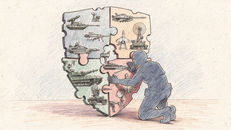
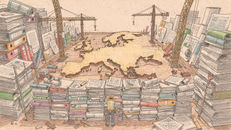
Stockpiles are thin, industrial output is limited, and procurement is fragmented across 27 states. Europe spends more, but spends poorly. The result is a continent with rising defence budgets but lingering military weakness.
Ukraine is Europe’s test – and its strain point
Support for Ukraine is presented as both a strategic necessity and a political stress test. Europe is heavily invested, but it also faces fatigue, economic strain and political division.
The analysis implies that if Europe cannot sustain unity on Ukraine, it signals weakness to Moscow and uncertainty to Washington. That would be the worst outcome – Europe relying on the US while failing to deliver its own side of the effort.
China makes the long-term problem even harder
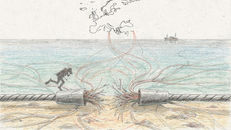
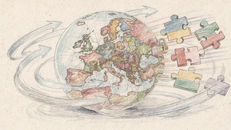
Russia is the immediate threat, but China is the bigger long-term challenge. The article suggests the West must deal with industrial scale, technology competition, and supply chain weaponisation.
Europe is particularly exposed here because it is slower to invest, more dependent on external suppliers, and more divided politically. Europe risks being squeezed – pressured by the US to align, and pressured by China through economic leverage.
Europe still lacks strategic discipline
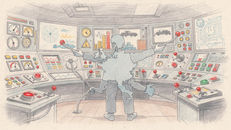
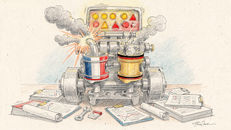
A repeated theme is that Europe struggles to turn big declarations into sustained action. National politics, coalition instability and competing priorities slow everything down.
This is why Europe keeps looking weak – it does not act as one. It acts as 27 separate states trying to avoid political pain.
What Europe needs to do – stop treating defence as optional
The analysis points towards the basics: build defence industrial capacity, standardise procurement, increase readiness, strengthen deterrence, and sustain long-term investment.
Europe cannot rely on emergency spending spikes. It needs a long-term defence economy. Otherwise Europe remains the soft underbelly of the alliance.
The grim takeaway: Europe is awake, but still not prepared
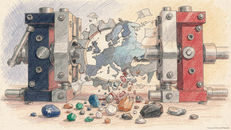
Europe is finally waking up to the reality of a harsher world – but waking up is not the same as building power. The US is moving with speed and scale, while Europe is still held back by fragmentation and hesitation.
If Europe cannot match rhetoric with real capability, it will remain what it fears most: a dependent partner, not an equal one.