World Center for Strategic Studies
From closed analysis to public debate

- MONTH
- YEAR

Democracy in Europe: Shielding the System or Rewriting It
The analysis takes aim at Europe’s growing unease with its own democratic model and asks an uncomfortable question – is the EU trying to protect democracy, or quietly reinvent it to survive political stress. The piece argues that Europe is no longer confident that existing democratic rules can cope with polarisation, populism and external pressure. The response is not renewal through trust, but tighter control through redesign.
At its core, the article says Europe’s leaders face a dilemma they rarely state openly. Defending democracy as it is means accepting messy outcomes, protest votes and unpredictable governments. Reinventing it means narrowing choices, hardening guardrails and redefining what counts as legitimate politics. Europe claims it is doing the first. The analysis suggests it is drifting toward the second.
Protection turns into intervention
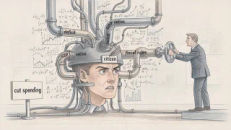
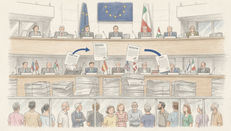
Measures meant to safeguard elections and institutions increasingly shape political competition itself. The analysis shows how oversight, regulation and judicial tools move from defence to management.

Fear drives reform
The push to “protect democracy” is fuelled by anxiety about extremist success and foreign interference. The paper argues this fear is reshaping democratic practice more than any shared vision of renewal.
Guardrails get thicker
Limits on speech, party financing and participation expand in the name of resilience. The analysis warns that these guardrails risk becoming barriers that lock out dissent rather than confront it politically.
Citizens feel sidelined
Public trust weakens when voters sense outcomes are being steered. The paper highlights how democratic engineering can deepen alienation instead of restoring confidence.
Unity over choice
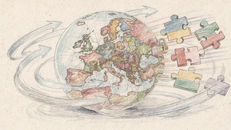
European institutions increasingly prioritise stability and continuity. The analysis frames this as a trade-off – fewer shocks, but less genuine political contestation.
Values versus survival instinct
Europe still speaks the language of democratic ideals. The paper shows how practice is increasingly shaped by survival logic, not democratic optimism.
The uncomfortable truth: Democracy is being reshaped under pressure
Europe is not just defending democracy. It is changing how it works.
If the EU continues down this path without an open debate, it risks protecting democracy in form while hollowing it out in substance. Stability may be preserved, but at the cost of legitimacy – and once legitimacy erodes, no amount of protection can restore it quickly.