World Center for Strategic Studies
From closed analysis to public debate

- MONTH
- YEAR

Europe’s Self-Inflicted Humiliation: When Weakness Becomes Policy
The commentary delivers a brutal diagnosis of how Europe now talks about itself – and why it is doing real damage. Europe’s leaders increasingly frame the EU as helpless, late and outmatched, not because it is always true, but because humiliation has become a communications strategy. The piece argues that this habit, meant to shock publics into accepting reforms or sacrifices, is backfiring badly.
At its core, the article says Europe has normalised self-denigration. Officials and commentators openly describe Europe as powerless, dependent and irrelevant in order to justify policy shifts on defence, industry or geopolitics. Instead of building resolve, this rhetoric trains citizens, allies and rivals to see Europe as structurally weak and permanently behind.
Humiliation sold as honesty
Admitting problems is healthy. Repeating that Europe is failing at everything is not. The analysis shows how blunt self-criticism has crossed into performative defeatism, presented as realism but functioning as resignation.
Shock tactics replace leadership
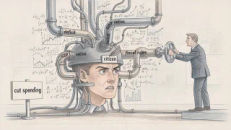
European leaders use humiliation to lower expectations and manage dissent. The paper argues this is a shortcut for avoiding persuasion and accountability. If Europe is “doomed anyway,” any policy looks acceptable.
Rivals listen closely
Russia, China and even allies notice the tone. The analysis warns that constant self-flagellation signals vulnerability, inviting pressure rather than sympathy. Weakness advertised becomes weakness exploited.
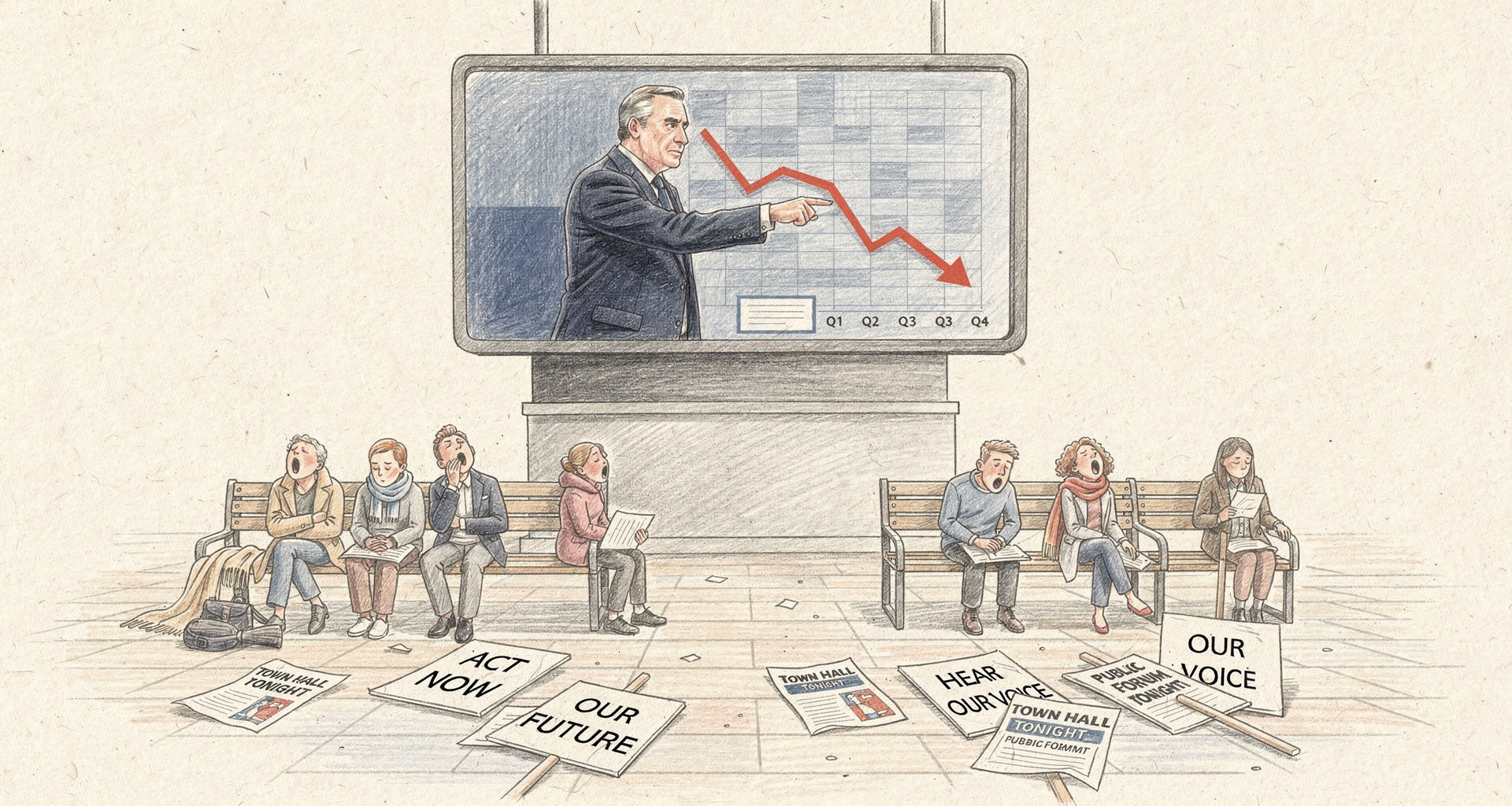
Citizens lose faith
Public trust erodes when elites describe their own system as broken beyond repair. The commentary highlights how this rhetoric feeds apathy, cynicism and protest politics instead of mobilisation.
Capability gaps get exaggerated
Europe has real problems, but also real assets. The paper argues that exaggerating failure distorts debate, making incremental gains look meaningless and long-term investment feel pointless.
Dependence becomes destiny
By constantly stressing reliance on others, Europe reinforces it. The analysis shows how talking down European capacity makes dependence sound inevitable rather than reversible.
The uncomfortable truth: Narratives shape power
How Europe talks about itself changes how others treat it.
Europe’s humiliation strategy was meant to wake people up. Instead, it is putting them to sleep. If leaders keep selling weakness as realism, they should not be surprised when Europe is treated as weak – diplomatically, economically and strategically. The problem is no longer just what Europe lacks, but how eagerly it tells the world it cannot cope.