World Center for Strategic Studies
From closed analysis to public debate

- MONTH
- YEAR

Europe’s Autonomy Mirage: Trapped Between Washington and Beijing
The analysis strips the gloss off Europe’s long-running quest for “strategic autonomy” and finds a project stuck between ambition and dependence. Brussels talks about freedom of action, resilience and sovereignty. In reality, Europe is squeezed by US security guarantees on one side and deep economic exposure to China on the other. The piece argues that autonomy has become a slogan masking hard constraints Europe has not resolved.
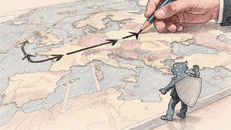
At its core, the study says Europe wants the benefits of independence without paying the costs. It seeks room to manoeuvre between the United States and China, but lacks the power, unity and industrial depth to sustain a true middle path. As rivalry hardens, the space for European hedging narrows fast.
Security still runs through Washington
Europe’s defence rests on US deterrence, intelligence and logistics. The analysis shows how this reliance limits Europe’s choices, especially when US priorities shift. Autonomy sounds good, but security dependence sets the boundaries.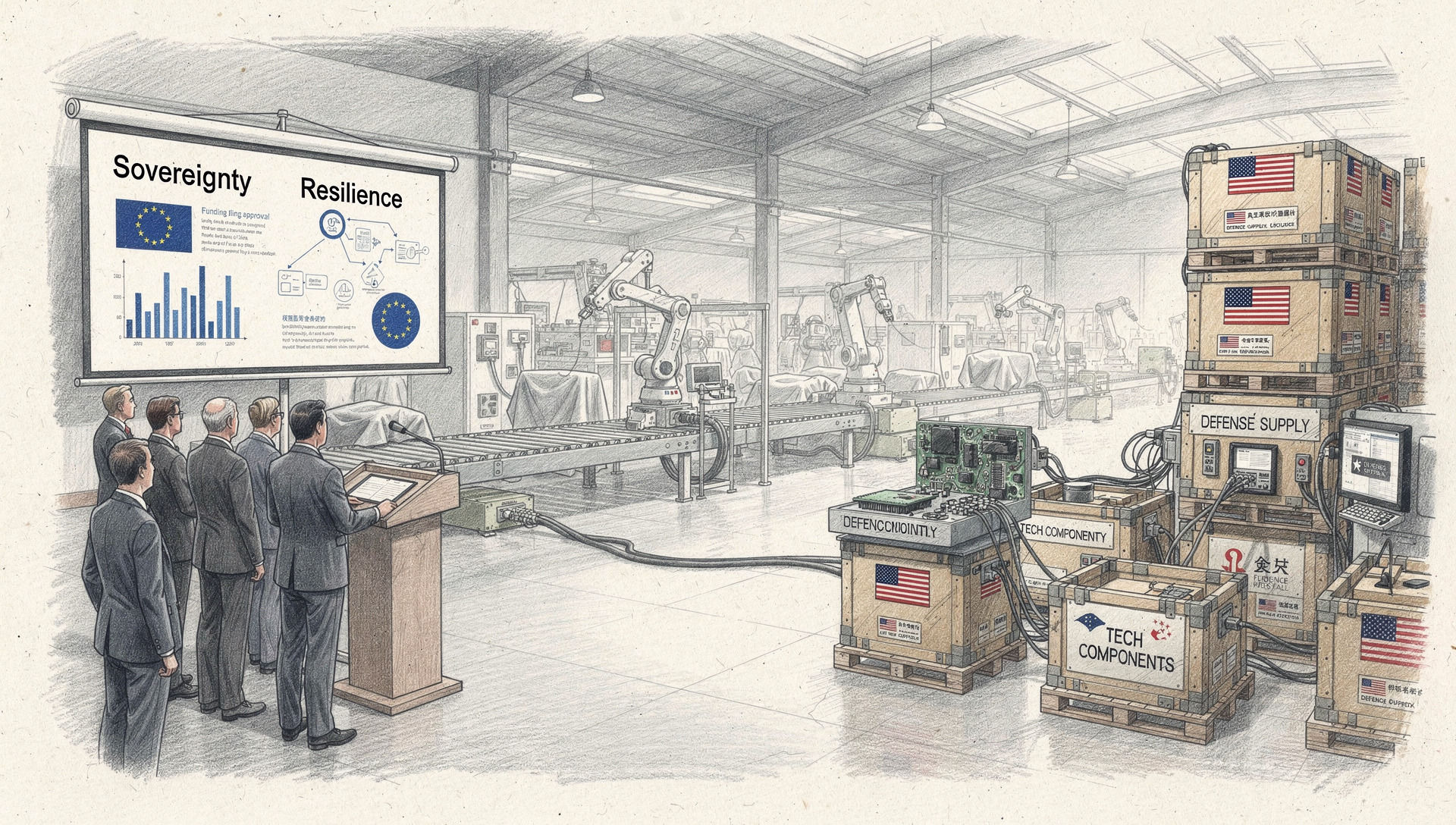
China ties bind the economy
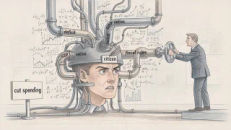
Trade, investment and supply chains keep Europe deeply linked to China. The paper highlights how this exposure constrains policy options, turning calls for firmness into careful calibration to avoid economic pain.
De-risking without decoupling stalls
Europe’s preferred formula aims to reduce vulnerability without breaking ties. The analysis warns this balance is fragile and slow-moving, leaving dependence largely intact while geopolitical risks rise.
Unity cracks under pressure
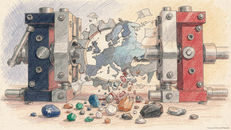
Member states read China and the US differently. The study shows how internal divisions blunt collective action, making autonomy harder to operationalise when consensus is required.
Tools don’t match the talk
Industrial policy, tech investment and defence integration lag behind rhetoric. The analysis argues that without scale and speed, autonomy remains aspirational rather than actionable.
Time works against Europe
US–China rivalry is intensifying, not easing. The paper stresses that as competition sharpens, tolerance for European ambiguity shrinks. Choosing later may mean choosing under pressure.
The uncomfortable truth: Autonomy needs power
Europe cannot wish itself independent. It must build the capabilities to back the claim.
Unless Europe aligns its ambitions with real investment, coordination and sacrifice, strategic autonomy will remain a mirage. The risk is not picking the wrong side – it is discovering too late that there was never a neutral space to stand in at all.