
World Center for Strategic Studies
From closed analysis to public debate

POPULAR
- MONTH
- YEAR

Europe’s Defence Dilemma: Guns Now, Bills Later
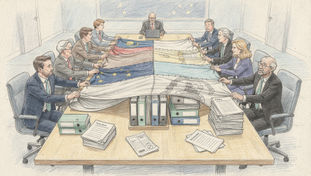
The paper tackles a problem Brussels prefers to blur – how to pay for higher defence spending without blowing up already fragile public finances. As war returns to Europe’s doorstep, governments promise more tanks, shells and soldiers. The analysis argues that the money question is being dodged, not solved. Europe wants security and fiscal discipline at the same time, but the trade-offs are catching up fast.
France’s Budget Standoff: Paralysis Dressed Up as Prudence
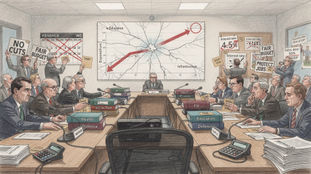
The commentary digs into France’s budget deadlock and exposes a political system stuck between denial and drift. The problem is not a lack of ideas. It is the refusal to confront trade-offs openly in a country running out of fiscal room. The piece argues that France is trapped in an impasse of its own making, where every option carries pain and every delay makes the bill bigger.
Europe Wakes Up Late: The Strategic Bill Comes Due
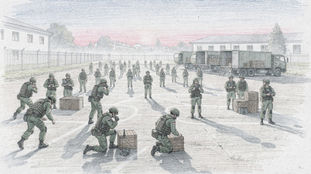
The analysis delivers a blunt verdict on Europe’s much-talked-about “strategic awakening” – it arrived late, under pressure, and with limited muscle behind it. Europe did not rethink its security posture out of foresight. It was jolted awake by war, US impatience and the realisation that comfortable assumptions no longer hold. The piece argues that awareness has improved, but capacity and political will are still lagging badly.
EU Loses the Plot: Big Talk Abroad, Mess at Home
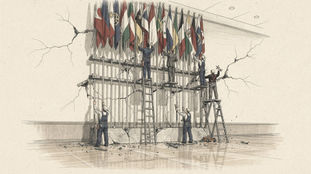
The analysis takes aim at a growing disconnect at the heart of the European Union – soaring global ambitions paired with stalled, unfinished business at home. Brussels talks like a geopolitical heavyweight, but acts like a bloc still tripping over its own rules. The paper argues that this mismatch is no longer cosmetic. It is actively undermining Europe’s credibility, leverage and ability to deliver.
AI Under Siege: Russian Propaganda Slips Into the Machines
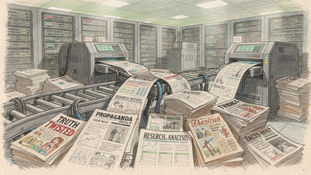
Europe is walking into the AI age with its guard down.
This CEPA analysis warns that Russian propaganda is finding its way into AI chatbots, quietly shaping answers, narratives and perceptions.
These systems learn from open data polluted by disinformation, state-backed media and manipulated content.
Once trained, they repeat distortions at scale, with no intent and no context.
The danger is blunt: Europe risks automating lies faster than it can correct them.
Europe’s Ukraine Wake-Up Call: Four Years, Ten Painful Lessons
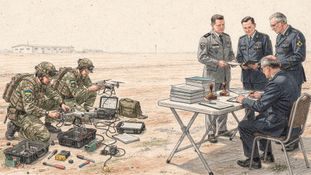
Four years into Russia’s war against Ukraine, Europe still looks like a slow learner.
This RUSI commentary distils ten hard lessons from the conflict – and most of them point to European weakness, delay and dangerous self-deception.
The war has exposed how unprepared Europe was for high-intensity conflict and how dependent it remains on others to sustain one.
Adaptation has happened, but late, unevenly and often under pressure from events rather than strategy.
Germany’s Pessimism Trap: Fear Is Becoming Policy
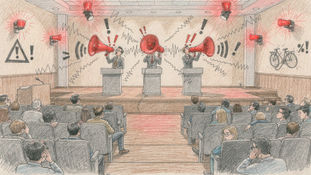
Germany is talking itself into paralysis.
This IP Quarterly examination argues that a deepening culture of pessimism is now shaping German politics, economics and security choices – and not for the better.
Public debate is dominated by decline narratives, threat inflation and a belief that everything is getting worse at once.
Nihilist Violence Spreads: Europe Faces a New, Harder Threat

Europe is confronting a darker kind of violence – and it does not fit the old playbooks.
This Konrad Adenauer Foundation study examines the rise of nihilistic violence, a form of brutality driven less by ideology and more by alienation, rage and the desire for destruction itself.
Unlike classic extremism, this violence is harder to track, harder to deter and harder to explain.
Trump’s “Donroe Doctrine” puts Europe in a tight bind: three dilemmas no one here wants to face
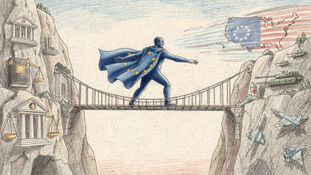
This ECFR commentary argues that the dramatic US military capture of Venezuela’s president under a revived Monroe-style foreign policy forces Europe into a set of hard political dilemmas. Washington’s intervention isn’t only about Latin America – it signals a shift toward a more interventionist and unpredictable US posture that leaves European capitals scrambling for answers.
Europe’s energy battle with Russia is ugly, confusing – and Brussels is losing influence
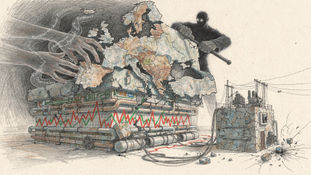
This EUISS commentary exposes a tangled frontline where Russia’s hybrid energy tactics are still inflicting damage on Europe and Ukraine. Moscow has weaponised misinformation, market manipulation and geopolitical pressure to undermine European unity, hit public confidence and delay hard decisions on energy security.
Europe’s defence problem won’t go away: the EU still can’t build real military power
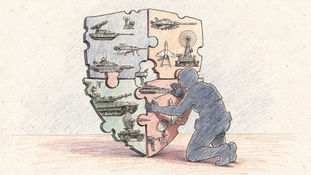
This CIDOB publication looks at the future of EU defence and its armed forces – and the picture is not comforting. Europe talks about “strategic autonomy” and a stronger military role, but its real capabilities remain limited and fragmented. Member states still treat defence as national territory, budgets are uneven, and Europe’s armed forces are not built for rapid, large-scale action. The message is clear: Europe wants to look like a security power, but it is still struggling to act like one.
Europe is wobbling: EU break-up risk is rising as the economy weakens
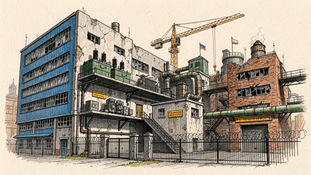
This IRIS analysis delivers a sharp warning Europe does not want to hear – the risk of EU fragmentation is no longer theoretical. Economic weakness, repeated crises, and rising political polarisation are building pressure inside the Union. The text argues Europe needs “productive resilience” – real industrial and economic capacity – to hold the EU together. Without it, Europe risks becoming a bloc held by rules and habit, not by strength, growth or shared confidence.
“Awake now”: the US and Europe are waking up – but Europe is still dangerously behind
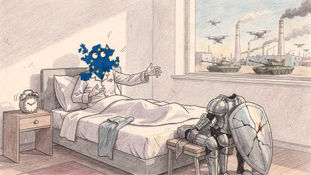
This CEPA analysis argues the West is finally shaking off years of complacency. Russia’s war in Ukraine and China’s rise have forced a rethink in both Washington and European capitals. But the text also makes one thing clear: Europe is still playing catch-up. The US has momentum, money, and strategic clarity. Europe has speeches, slow procurement, and political hesitation. The worry running through this analysis is obvious – Europe may be awake, but it is not ready.