World Center for Strategic Studies
From closed analysis to public debate

- MONTH
- YEAR

Europe’s Defence Dilemma: Guns Now, Bills Later
The paper tackles a problem Brussels prefers to blur – how to pay for higher defence spending without blowing up already fragile public finances. As war returns to Europe’s doorstep, governments promise more tanks, shells and soldiers. The analysis argues that the money question is being dodged, not solved. Europe wants security and fiscal discipline at the same time, but the trade-offs are catching up fast.
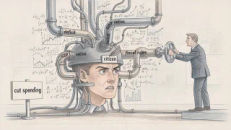
At its core, the study says the EU is trapped between necessity and self-imposed limits. Defence spending must rise, and stay high, if deterrence is to mean anything. But debt levels are already stretched, fiscal rules are coming back, and political appetite for hard choices is thin. The result is a dangerous muddle where everyone agrees on the threat, but no one agrees on how to fund the response.
Defence needs cash, not slogans
The paper makes clear that credible defence is expensive and long-term. One-off funds and emergency measures may buy time, but they do not build sustained capability. Europe’s security gap cannot be closed on promises alone.
Fiscal rules strike back
As EU budget rules tighten again, room for manoeuvre shrinks. The analysis shows how governments face pressure to spend more on defence while being told to rein in deficits. This tension is structural, not temporary.
Borrow now, worry later
Some argue for deficit financing to meet defence needs. The paper warns that this may be unavoidable in the short term, but risks undermining fiscal credibility if it becomes the default. Markets and partners will notice.
No consensus on burden-sharing
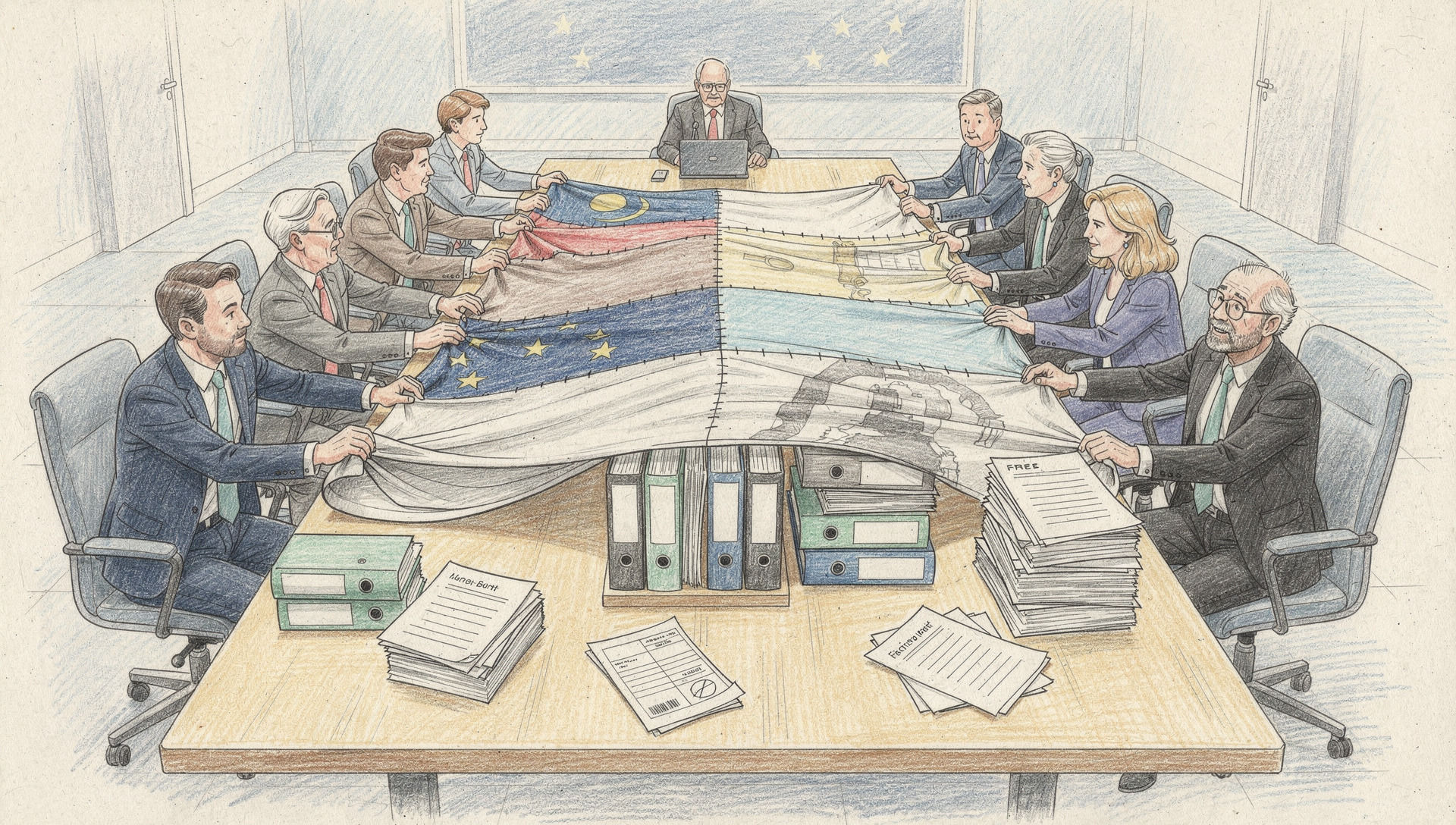
Joint borrowing sounds attractive, but unity fades quickly. The analysis highlights deep divisions between member states over who pays, who benefits and who controls the money. Solidarity remains conditional.
Security versus stability
The study frames the core dilemma bluntly – underfund defence and Europe stays exposed; ignore fiscal discipline and future crises become harder to manage. There is no painless option left.
Delay makes it worse
Postponing decisions does not resolve the trade-off. The paper stresses that drifting between rules and reality raises costs and uncertainty, weakening both defence planning and fiscal trust.
The stark truth: Europe wants safety without sacrifice
The EU is trying to square a circle – more defence, stable debt, no political backlash.
Unless Europe confronts the cost of security honestly, it will keep improvising. That leaves defence plans half-built, budgets under strain and deterrence resting on hope rather than hard choices.