World Center for Strategic Studies
From closed analysis to public debate

- MONTH
- YEAR

EU Trade Fiasco: How Brussels Lost Control of the Response
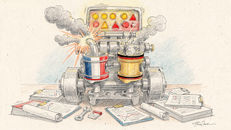
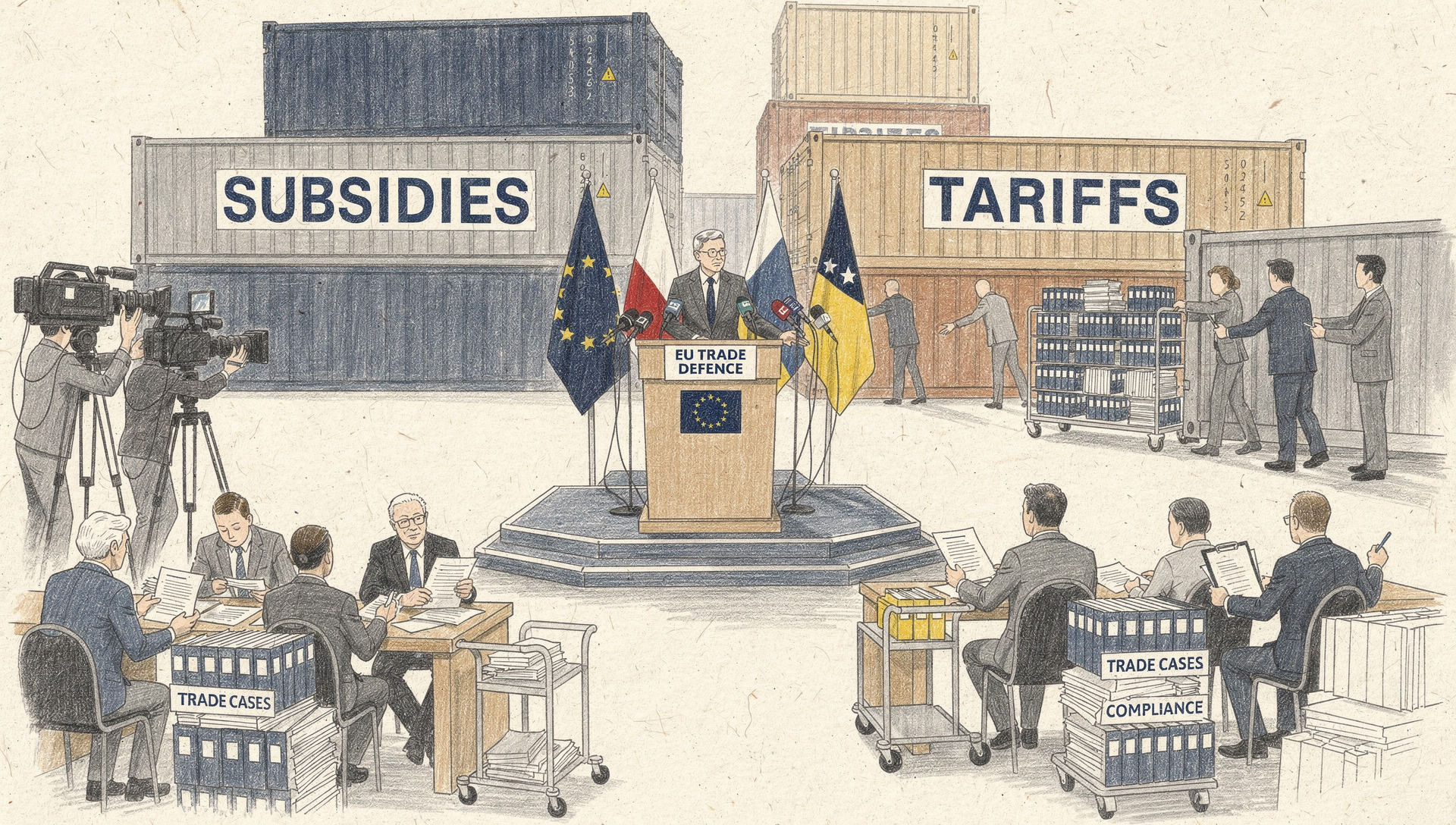
The analysis tears into the EU’s handling of trade policy and finds a familiar pattern of overconfidence followed by underdelivery. Faced with a tougher global trade environment, Brussels talked up strategic autonomy and defensive tools. What it delivered instead was delay, confusion and diluted action. The piece argues that Europe did not just struggle to respond – it actively mishandled the moment.
At its core, the article says the EU misread both the threat and its own capacity. Trade policy was supposed to be Europe’s power tool in a world of subsidies, coercion and protectionism. Instead, internal divisions and procedural caution turned it into a liability. While others moved fast, the EU argued with itself.
Big promises, weak follow-through
Brussels announced new instruments to counter unfair trade and economic coercion. The analysis shows how these tools exist largely on paper, slowed by legal caution and political fear of retaliation.
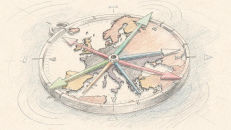
Member states pull in different directions
Trade unity collapses when costs appear. The paper highlights how national interests repeatedly undercut collective action, leaving Brussels unable to act decisively even when rules allow it.
Fear of escalation paralyses action
EU leaders worry more about provoking partners than about losing leverage. The analysis frames this as a mindset problem – restraint becomes hesitation, and hesitation becomes irrelevance.
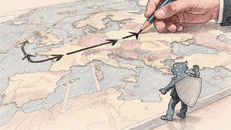
Washington sets the tempo
US trade and industrial policy forced Europe onto the defensive. Instead of shaping outcomes, the EU reacted late and cautiously, reinforcing dependence rather than autonomy.
China exploits the gaps
Beijing benefits from Europe’s slow and divided response. The analysis shows how selective pressure and incentives blunt EU resolve and expose its internal fractures.
Process overwhelms power
Legalism and consensus-building dominate decision-making. The paper argues that the EU’s love of procedure is ill-suited to a trade environment defined by speed and confrontation.
The big warning: Trade power unused is trade power lost
Europe has tools, but refuses to wield them.
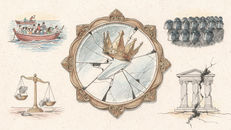
If the EU keeps mistaking caution for strategy, its trade policy will remain a paper shield. The world has moved on from rule-bound patience – and Europe risks discovering too late that rules alone do not protect those unwilling to act.