World Center for Strategic Studies
From closed analysis to public debate

- MONTH
- YEAR

Watching China, Missing the Point: Europe’s January Reality Check
The commentary surveys Europe’s China debate at the start of 2026 and delivers an uneasy conclusion – Brussels is watching closely, but still reacting late. Europe tracks Beijing’s moves with growing concern, yet struggles to turn observation into strategy. The piece argues that while awareness has improved, control has not. Europe knows the risks. It just hasn’t decided what it is willing to sacrifice to reduce them.
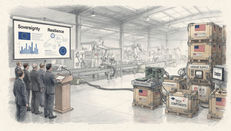
At its core, the analysis says Europe is caught between caution and dependence. Policymakers talk about de-risking, resilience and coordination with partners. In practice, economic exposure remains deep, political unity is fragile, and action is incremental. China does not need confrontation to gain leverage. Europe’s hesitation does the work.
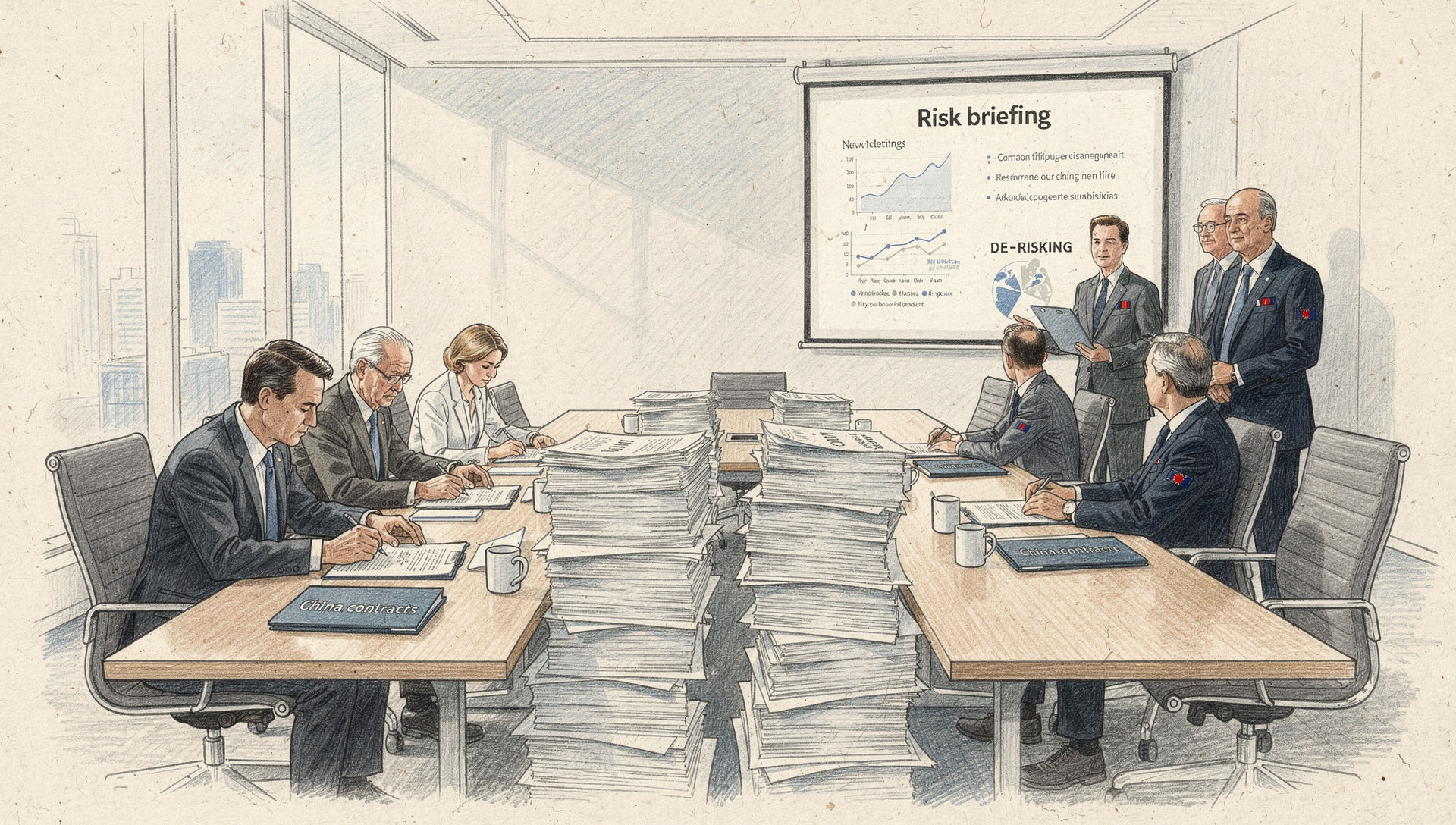
De-risking slows to a crawl
Europe has adopted the language of risk reduction, but implementation is thin. The analysis shows how supply chains, investment ties and technology links remain largely intact because cutting them would be costly and politically painful.
Beijing exploits the gaps
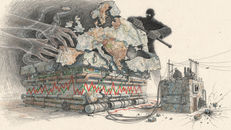
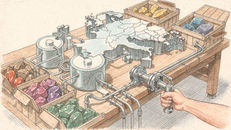
China understands Europe’s divisions and plays them carefully. The paper highlights how selective engagement, market access and pressure tactics weaken collective EU positions and reward hesitation.
Washington looms in the background
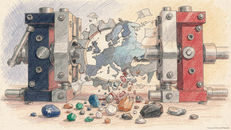
Europe’s China policy is shaped by US expectations as much as by its own interests. The analysis frames this as a constraint – Europe aligns on security but struggles to define an independent economic line without friction.
Business pulls one way, politics another
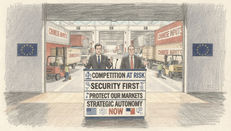
European firms want access to China’s market. Governments warn of risk. The commentary shows how this tension paralyses decision-making, producing compromise policies that satisfy neither side.
Security concerns rise, tools lag
China’s global posture, tech ambitions and ties with Russia sharpen the stakes. The analysis stresses that Europe’s defensive instruments remain underpowered compared to the scale of the challenge.
Watching instead of shaping
Europe invests heavily in analysis and monitoring. The paper argues that observation without decisive follow-through creates the illusion of control while leverage quietly slips away.
The warning sign: Awareness is not strategy
Knowing the problem does not solve it.
As 2026 begins, Europe faces a familiar choice. It can keep watching China while managing risk at the margins, or it can accept the costs of real adjustment. If it chooses the first path, Beijing will continue to shape outcomes while Europe congratulates itself for seeing them coming.