World Center for Strategic Studies
From closed analysis to public debate

- MONTH
- YEAR

Draghi on a Shoestring: Europe’s Competitiveness Plan Runs on Empty
The analysis dissects the European Commission’s new “competitiveness compass” and delivers an awkward verdict – the ambition borrows Draghi’s language, but the means fall far short. Europe talks about scale, speed and power, then hands itself a roadmap without fuel. The piece argues that Brussels is acknowledging the problem while ducking the political and financial costs of fixing it.
At its core, the paper says the Commission wants to look decisive without triggering a fight over money, sovereignty or real reform. The result is a strategy heavy on priorities and light on tools. At a moment when the US and China are acting hard and fast, Europe is still trying to compete on a tight budget and looser commitments.
Big diagnosis, small wallet
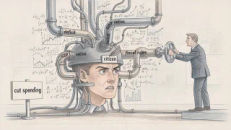
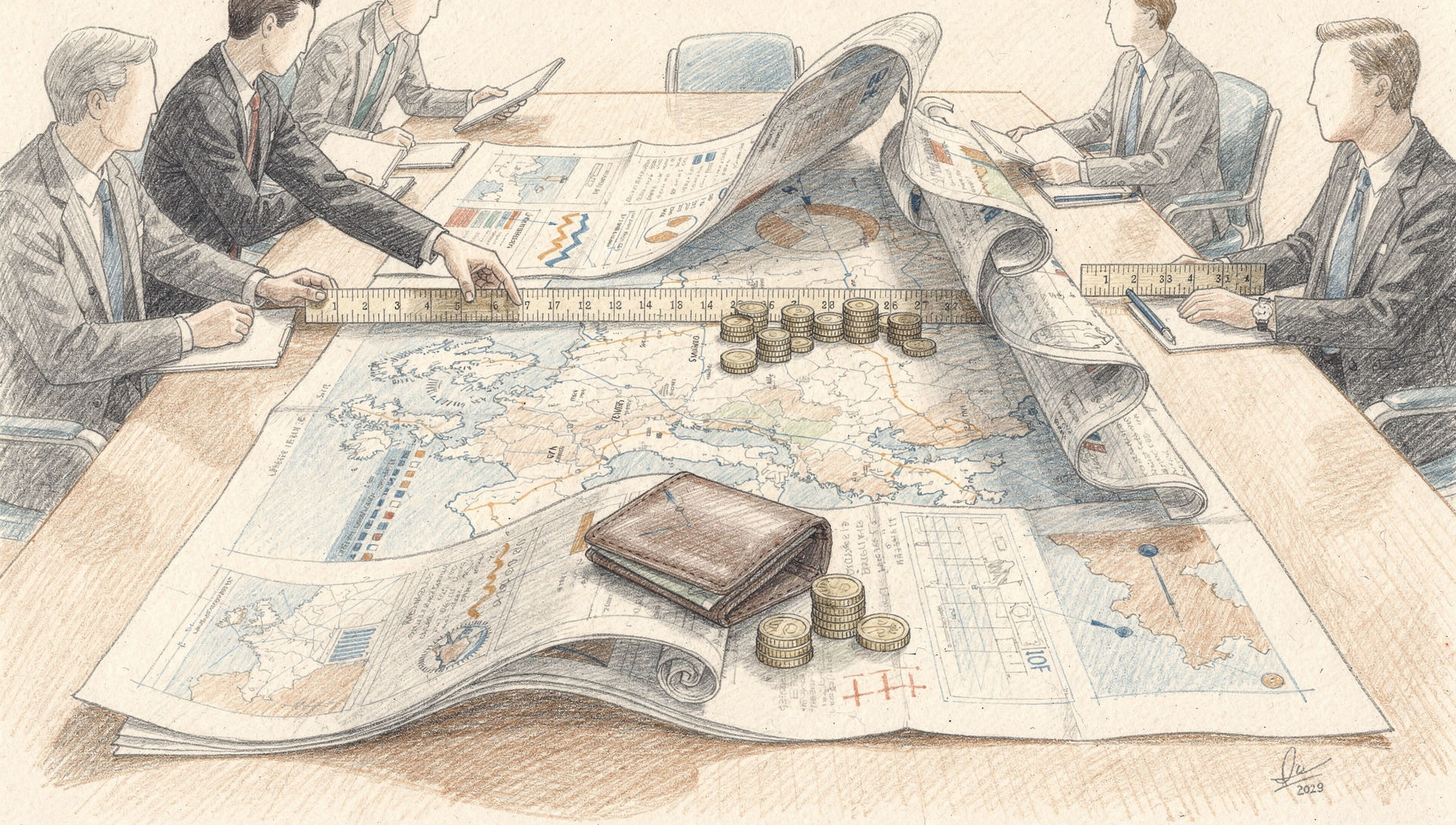
The compass echoes Draghi’s warning about weak productivity, fragmented markets and underpowered industry. But the analysis shows that recognising the problem is not the same as funding the solution. Without serious resources, the diagnosis goes nowhere.

Ambition shrinks in Brussels
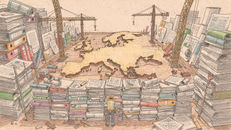
The paper highlights how proposals are quietly scaled down to fit political comfort zones. Integration is discussed, but national control remains untouched. Coordination is encouraged, not enforced. The vision fades as soon as implementation begins.
Member states hit the brakes
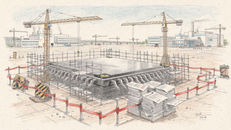
Real competitiveness policy would mean shared financing, deeper capital markets and tougher choices. The analysis underlines that governments resist all three. Everyone wants growth, few want to pay or give up control.
Washington sets the benchmark
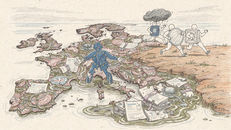
The US acts with subsidies and clear priorities. Europe responds with frameworks and guidance. The study frames this as a power gap – speed and scale versus caution and consensus.
Markets see through the gap
Investors and firms care less about strategy papers than certainty and support. The analysis warns that half-measures push capital elsewhere, locking in Europe’s disadvantage before reforms arrive.
Draghi’s name, not his leverage
Invoking Draghi adds weight, but not authority. The paper makes clear that without political backing and cash, the compass risks becoming another document admired and ignored.
The uncomfortable truth: Strategy without money is theatre
Europe wants competitiveness on the cheap. The analysis suggests that this is not realism but avoidance.
If the EU keeps recycling big ideas on small budgets, it will keep falling behind richer, faster rivals. The compass points in the right direction – but Europe refuses to walk the road.