World Center for Strategic Studies
From closed analysis to public debate

- MONTH
- YEAR

Lost Election Gamble: Europe’s Risky Bet Backfires
The commentary dissects a political miscalculation that has left Europe weaker, not wiser. It argues that key European actors gambled on an election outcome they could not control, built strategies around hopeful assumptions, and are now paying the price. Instead of hedging against risk, they went all in – and lost.
At its core, the analysis shows how wishful thinking replaced hard planning. European governments and institutions positioned themselves for a preferred result, delayed contingency work, and signalled confidence where uncertainty should have ruled. When the gamble failed, the fallout exposed a familiar problem: Europe reacts after events, not before them.
A bet dressed up as strategy
The piece makes clear that this was not neutral preparation. Choices were made, signals were sent, and alternatives were quietly sidelined. The election was treated less as a risk scenario and more as something to be managed from the sidelines.
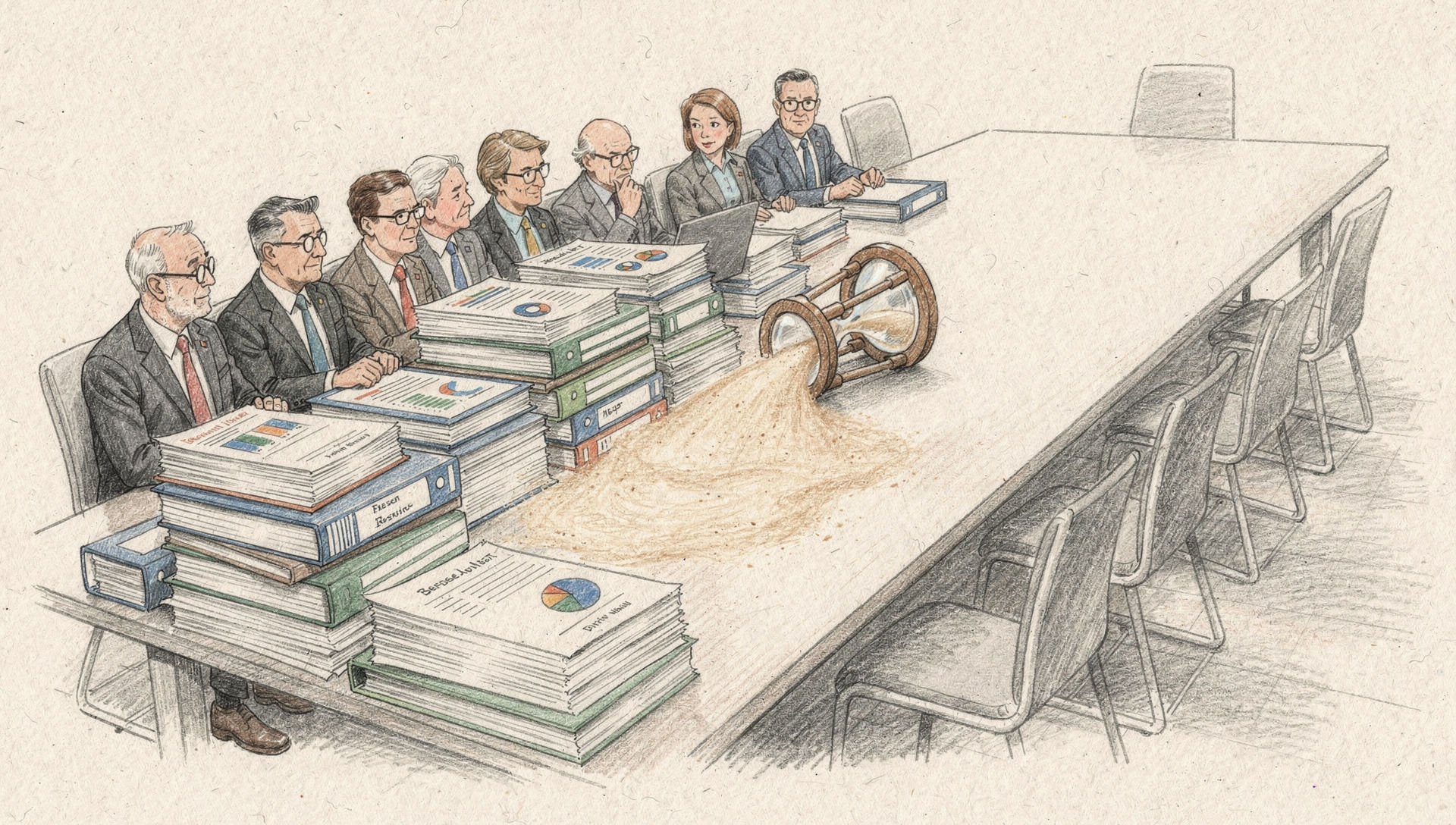

No Plan Bin sight
When the outcome went the wrong way, Europe was caught flat-footed. The commentary highlights the absence of ready-made fallbacks on securit y, trade and diplomacy. Scrambling replaced strategy almost overnight.
Credibility takes a hit
By tying expectations to a single political outcome, Europe weakened its standing. Partners now question its reliability, while rivals see hesitation and confusion. The loss is not just influence, but trust.
Washington moves on, Europe adjusts
The power imbalance is hard to miss. The analysis frames the aftermath as another case of the US resetting priorities while Europe rushes to adapt. The lesson is blunt: betting on American politics is not a substitute for autonomy.
Internal divisions resurface
The failed gamble sharpens old splits inside Europe. Some capitals push for rapid accommodation, others for resistance. Unity fractures precisely when coherence is needed most.
Costs arrive quietly
There is no immediate crash, but the damage accumulates. Delayed decisions, weaker leverage and reduced room for manoeuvre define the new normal the commentary warns about.
The warning sign: Hope is not a policy
The election gamble failed because it confused preference with preparation. Europe planned for what it wanted, not for what could happen.
Unless this lesson lands, Europe will keep repeating the same mistake – mistaking confidence for control, and strategy for a bet it cannot afford to lose.