World Center for Strategic Studies
From closed analysis to public debate

- MONTH
- YEAR

Global Reordering, German Responses Germany Reflecting on How to Get Along with Global Powers
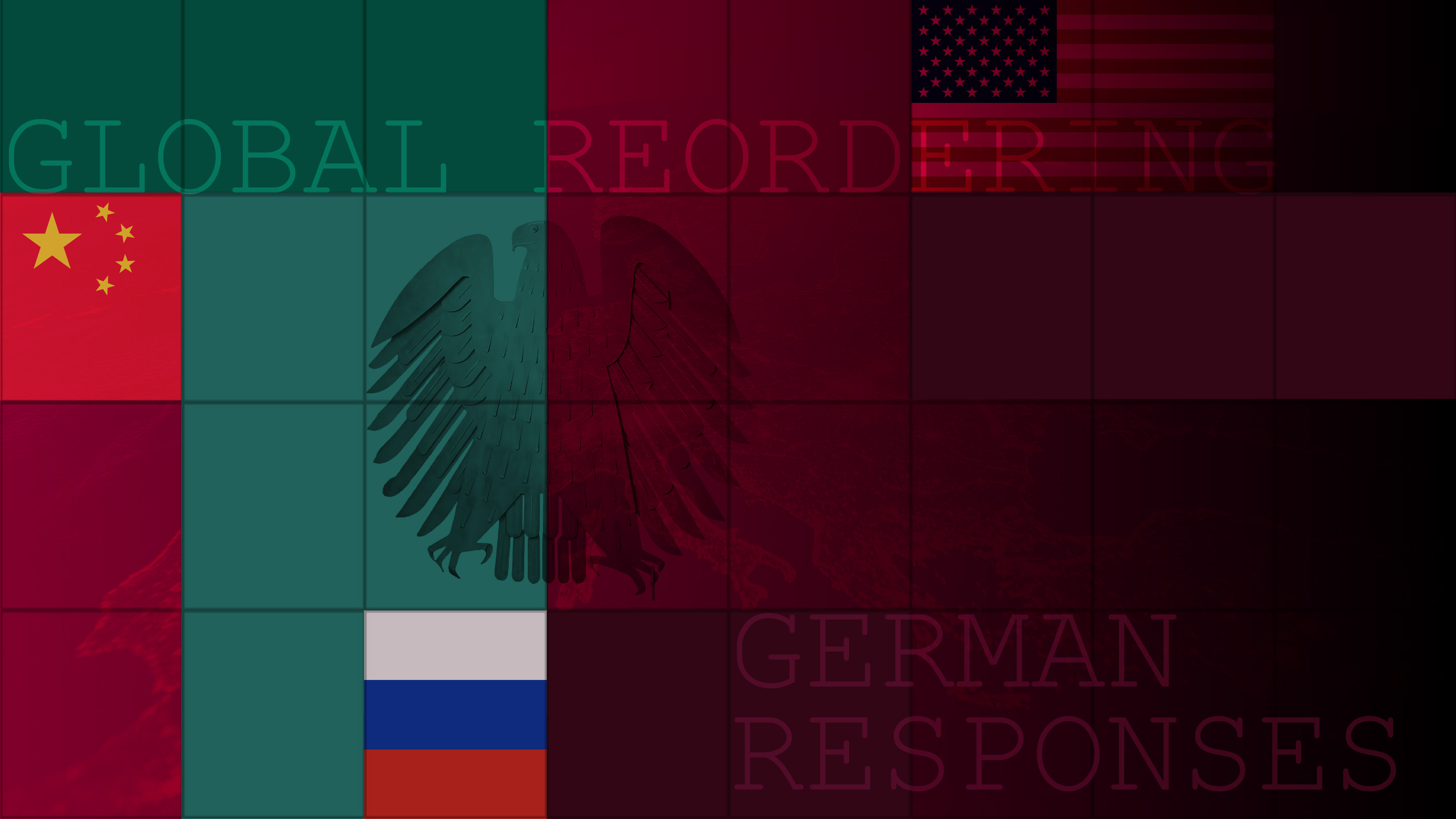
In February 2026, the German Council on Foreign Relations published an article entitled Global Reordering, German Responses. Its authors, Thomas Kleine-Brockhoff and Dr. Kira Vinke, analyze Germany’s role and place in the contemporary world where three global superpowers are building their spheres of influence.
The authors believe that, while the era of American hegemony has been fading for some time, it is being replaced by competition and, in parallel, collusion among three imperial powers: the USA, China, and Russia. The new stage of superpowers’ rivalry is characterized by attempts to demarcate geographical as well as digital zones of influence. This development started with Donald Trump's second presidency and, more specifically, with the toppling of Venezuelan president Nicolás Maduro and Trump's threats to annex Greenland. That amounted to the military implementation of an imperial foreign policy and marked a rupture in the world order.
For Germany, as for Europe as a whole, this shift is of fundamental strategic relevance. For it was as America's benevolent dominance that has underwritten European security (via the NATO bloc) since the Second World War. Now neither benevolence nor the NATO commitment can be taken for granted. Core liberal norms, such as respect for territorial integrity and sovereignty, enshrined in the Charter of the United Nations, can no can no longer be considered universally accepted, not even within NATO.
In the midst of this volatile situation, the transatlantic relationship, the bedrock of German foreign policy, is in its deepest crisis to date. Its future is uncertain. And even if it continues to function, that is likely to happen in a post-Western world of illiberal dominance, with democratic countries potentially becoming a minority group.
The significance of these developments for German foreign policy can hardly be overstated. Inter-State relations are increasingly governed by power. The most powerful nations are no longer constrained by norms and rules, to the detriment of the United Nations and the whole system of multilateral governance. Its joint and efficient problem-solving capability has been undermined considerably. The security order has been weakened as NATO's reliability and future has become uncertain. The use of force can no longer be efficiently deterred or penalized, as shown by the change of the U.S. position on Ukraine.
The first thing to be done is to see the world as it is rather than searching for signs of recovery. The global system as we knew it is broken. The liberal international order is non-existent. Yet middle powers are by no means impotent, as indicated by the clash between the USA and Europe over Greenland, in which the Trump administration had to back off.
Middle powers like Germany can build alliances to hedge themselves against uncertainty and the dangers of subordination to world powers. The triumvirate of illiberal leaders in Beijing, Moscow, and Washington, however powerful they may seem, cannot control the rest of the world – especially if other countries unite. This means there is space for middle powers to collaborate in building strategic independence. Germany's inner circle of cooperation should remain the EU, but it needs to build a stronger outer ring of partnerships.
Importantly, Germany will need to carefully build its relations with America and trace its own path towards greater independence. The United States may be able to stage a rupture in its relations with Germany and Europe; Germany cannot. For Berlin, NATO remains essential.
If a rupture with the US does occur, Germany will want to keep the option of strategic reconnection open. While there will be no return to the status quo ante, even a diminished democracy with free elections can eventually remove an illiberal leader and thus pave the way to a changed relationship. The Germans can only hope that Trump will go and things will be the same as before. For all Germany’s efforts to join the circle of world powers, its ‘younger brother’ complex is unfortunately still there – deeply entrenched in many Berlin politicians’ heads and negating all efforts at political transformation of that country.