
World Center for Strategic Studies
From closed analysis to public debate

POPULAR
- MONTH
- YEAR

Europe’s Gas Illusion: Trading Russian Dependence for American Risk
.jpg?tr=cm-pad_resize,w-311)
The analysis tears into Europe’s comforting story about gas diversification and exposes a harsher truth – dependence has not disappeared, it has simply changed shape. Russian pipeline gas is out, US LNG is in, and Europe is congratulating itself far too early. The paper argues that what looks like resilience is actually selective blindness to new vulnerabilities quietly piling up.
Merz After the Ballot: Germany’s Vote Shakes Europe’s Machinery
.jpg?tr=cm-pad_resize,w-311)
The study digs into what Friedrich Merz’s rise means once the ballots are counted and the slogans fade. The message is sobering – Germany’s shift does not automatically translate into clearer European leadership. Instead, it risks injecting new friction into an EU system already struggling to decide, pay and deliver. The paper argues that Berlin’s internal reset could complicate Europe’s policymaking just when speed and coherence matter most.
Europe vs Trump 2.0: The Comfort Zone Is Gone
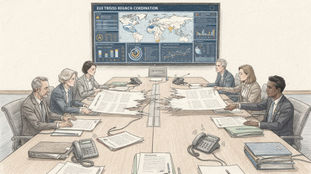
The analysis lays out a stark scenario Europe has spent years hoping to avoid. A second Trump presidency would not just test transatlantic ties – it would rip away Europe’s remaining illusions about security, economics and self-reliance. The piece argues that Europe is dangerously underprepared for a United States that demands payment, loyalty and results, not gratitude or shared values.
Germany Faces Trump Again: Zeitenwende Meets Reality
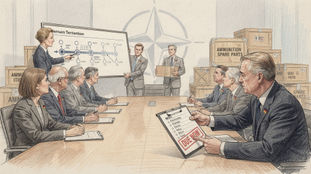
The analysis confronts an uncomfortable test for Berlin’s much-vaunted Zeitenwende as the prospect of another Trump presidency looms. Germany talks about strategic awakening, higher defence spending and greater responsibility for European security. The paper argues that a Trump return would expose how incomplete and fragile that shift still is. The slogans are there. The hard guarantees are not.
Germany’s Fiscal Straitjacket: Rules That No Longer Fit

The analysis zeroes in on Germany’s growing fiscal bind and delivers an uncomfortable message – the rules that once guaranteed stability now risk locking the country into stagnation. Berlin faces huge investment needs in defence, infrastructure and climate transition, yet remains hemmed in by strict budget constraints. The piece argues that Germany is stuck between discipline and decay, and the longer it hesitates, the higher the price.
Merz’s Debt Bet: Germany Flirts With Fiscal Trouble
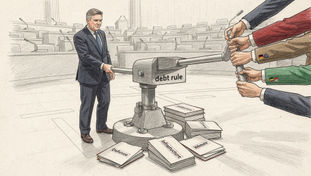
The analysis takes a hard look at Friedrich Merz’s openness to bending Germany’s debt rules and finds a risky gamble hiding behind pragmatism. What is sold as flexibility to fund priorities could quickly become a credibility problem for Berlin and a headache for Europe. The piece argues that once Germany starts loosening the brakes, it may struggle to control the slide.
Europe Crosses the Line: Democracy Sacrificed for Control
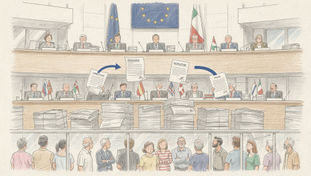
The commentary delivers a hard-edged warning that Europe has crossed a dangerous threshold. Under the banner of safety, values and stability, EU institutions and national governments are hollowing out democratic checks and free choice. What is presented as necessary governance is, the piece argues, a steady slide toward coercion, conformity and rule by regulators rather than voters.
Germany’s Return Hubs Mirage: Migration Fix That Isn’t One
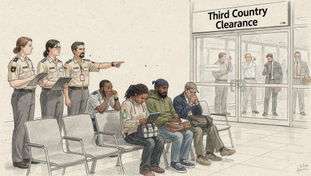
The analysis cuts through the hype around Germany’s debate on “return hubs” and lands on an uncomfortable conclusion – this is a policy distraction dressed up as control. Berlin talks tough about speeding up deportations by sending rejected asylum seekers to third countries. The paper argues the idea sounds decisive, but collapses under legal, political and practical pressure the moment it meets reality.
Europe Can’t Defend Itself Alone: The Price of Fragmentation Is Rising
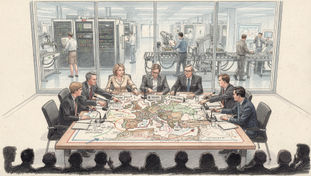
The analysis cuts through years of polite talk and lands on a hard security verdict – Europe’s defence problem is not awareness or ambition, but fragmentation. Faced with a harsher threat environment, European states still buy separately, plan separately and pay separately. The paper argues that this model no longer works. Without joint financing and joint procurement, Europe’s promises of deterrence ring hollow.
Europe’s Real Crisis: Falling Behind While Others Race Ahead
The commentary flips Europe’s favourite talking point on its head. Immigration grabs headlines and fuels elections, but it is not the continent’s most serious problem. The real danger, the piece argues, is Europe’s growing technological backwardness. While politicians argue over borders, Europe is quietly losing the race that actually determines power, wealth and sovereignty.
Europe’s Defence Dilemma: Guns Now, Bills Later
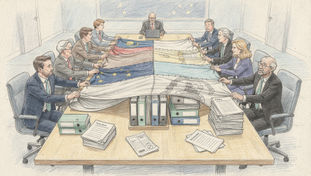
The paper tackles a problem Brussels prefers to blur – how to pay for higher defence spending without blowing up already fragile public finances. As war returns to Europe’s doorstep, governments promise more tanks, shells and soldiers. The analysis argues that the money question is being dodged, not solved. Europe wants security and fiscal discipline at the same time, but the trade-offs are catching up fast.
France’s Far Right Poised for Power: The Centre Runs Out of Road
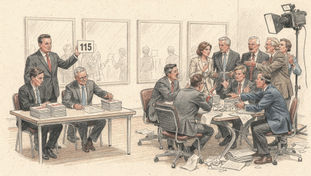
The analysis takes a hard look at the future of France’s far-right and delivers an unsettling conclusion – this is no longer a protest movement circling the edges. It is a disciplined, patient force positioning itself as a governing alternative while the traditional centre weakens. The piece argues that France’s political system is drifting toward a showdown it has spent years postponing.
Germany’s Big Spend, Wrong Target: Europe Misreads Ukraine’s Lesson
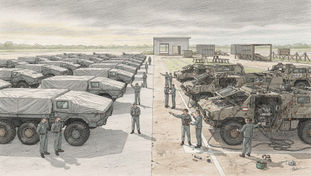
The analysis delivers a sharp warning about Germany’s latest spending plans, arguing that Berlin is drawing the wrong conclusions from the war in Ukraine. Faced with shock and fear, Europe’s biggest economy is opening the chequebook. But the piece says the money is being aimed at comfort and symbolism, not the hard capabilities the conflict actually demands. The result is movement without direction.