World Center for Strategic Studies
From closed analysis to public debate

- MONTH
- YEAR

Europe Changes Gear on Defence Buying: Faster Orders, Familiar Limits
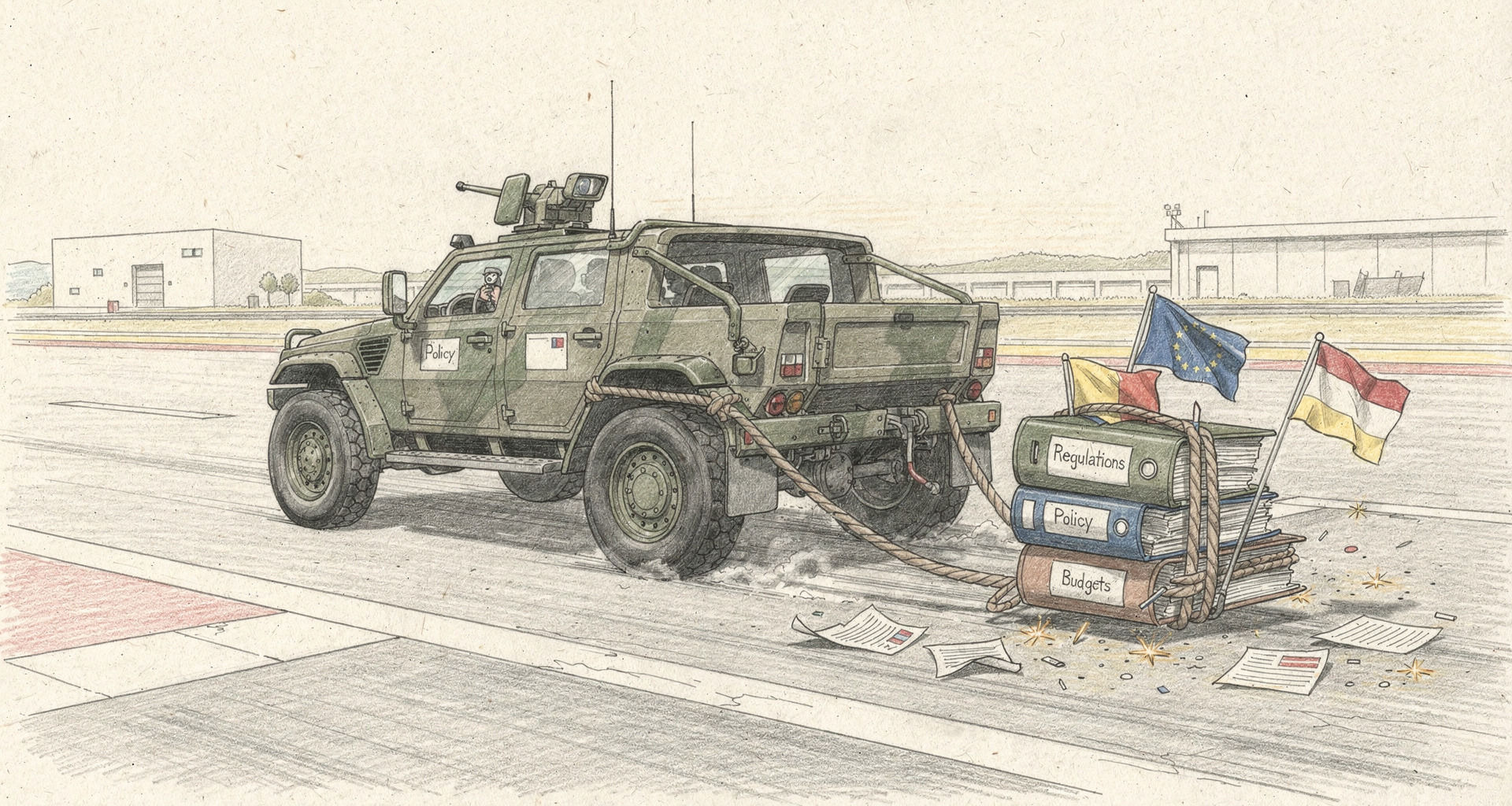
The analysis looks at Europe’s recent push to speed up defence procurement and finds a shift that is real but fragile. After years of drift, governments are buying more, faster and with greater urgency. The problem is that momentum runs straight into old constraints – national habits, industrial bottlenecks and political caution that still blunt impact. Europe is changing gear, but not flooring the accelerator.
At its core, the article argues that procurement has finally become political. War on the continent, empty stockpiles and pressure from allies forced governments to move. Joint purchases increase, contracts grow larger, and timelines shorten. Yet this progress remains uneven and reversible, vulnerable to budget pressure and domestic pushback.
Urgency replaces complacency
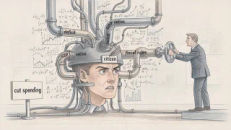
The shock of Ukraine pushed defence buying up the agenda. The analysis shows how emergency measures cut red tape and unlock funding that once stalled in committee rooms.
Joint orders grow, slowly
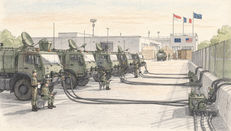
More countries buy together, recognising scale matters. But the paper highlights how national preferences still dominate system choices, limiting true standardisation.
Industry hits capacity walls
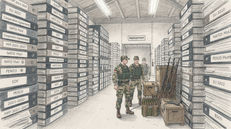
Factories cannot expand overnight. The analysis stresses that years of underinvestment left Europe with thin production lines that struggle to meet sudden demand.
Money helps, systems lag
Higher budgets speed orders, but procurement rules and workforce shortages still slow delivery. Old processes survive the new rhetoric.
Politics tests patience
As costs rise, political support is not guaranteed. The analysis warns that once urgency fades, governments may revert to delay and dilution.
America still fills gaps
Despite progress, Europe relies heavily on US systems and supplies. The paper frames this as partial autonomy at best, not independence.
The warning sign: Momentum is fragile
Changing gear is easier than sustaining speed.
Europe’s defence procurement is finally moving, and that matters. But unless urgency is locked in through long-term contracts, industrial investment and genuine joint planning, the burst of activity will fade. Faster buying today does not guarantee lasting strength tomorrow – and Europe has learned that lesson the hard way before.