World Center for Strategic Studies
From closed analysis to public debate

- MONTH
- YEAR

Europe’s Care Time Bomb: Ageing Crisis Nobody Wants to Pay For
The brief sounds the alarm on a slow-burning disaster creeping across Europe’s welfare states – a looming surge in long-term care needs that governments are nowhere near ready to handle. As populations age fast and families shrink, demand for care is set to explode. The paper makes clear that this is not a distant worry. It is a predictable crisis already locked in, with Europe dragging its feet.
At its core, the analysis argues that Europe is facing a care shock on a scale comparable to pensions or healthcare reform – but without the political focus. Long-term care systems are underfunded, understaffed and badly fragmented. Waiting longer only guarantees higher costs, harsher trade-offs and angrier voters down the line.
The ageing wave is unstoppable
Europe is getting old, fast. The brief lays out how rising life expectancy and declining birth rates will sharply increase the number of people needing daily assistance. This is not a policy choice – it is demographic math, and it is unforgiving.
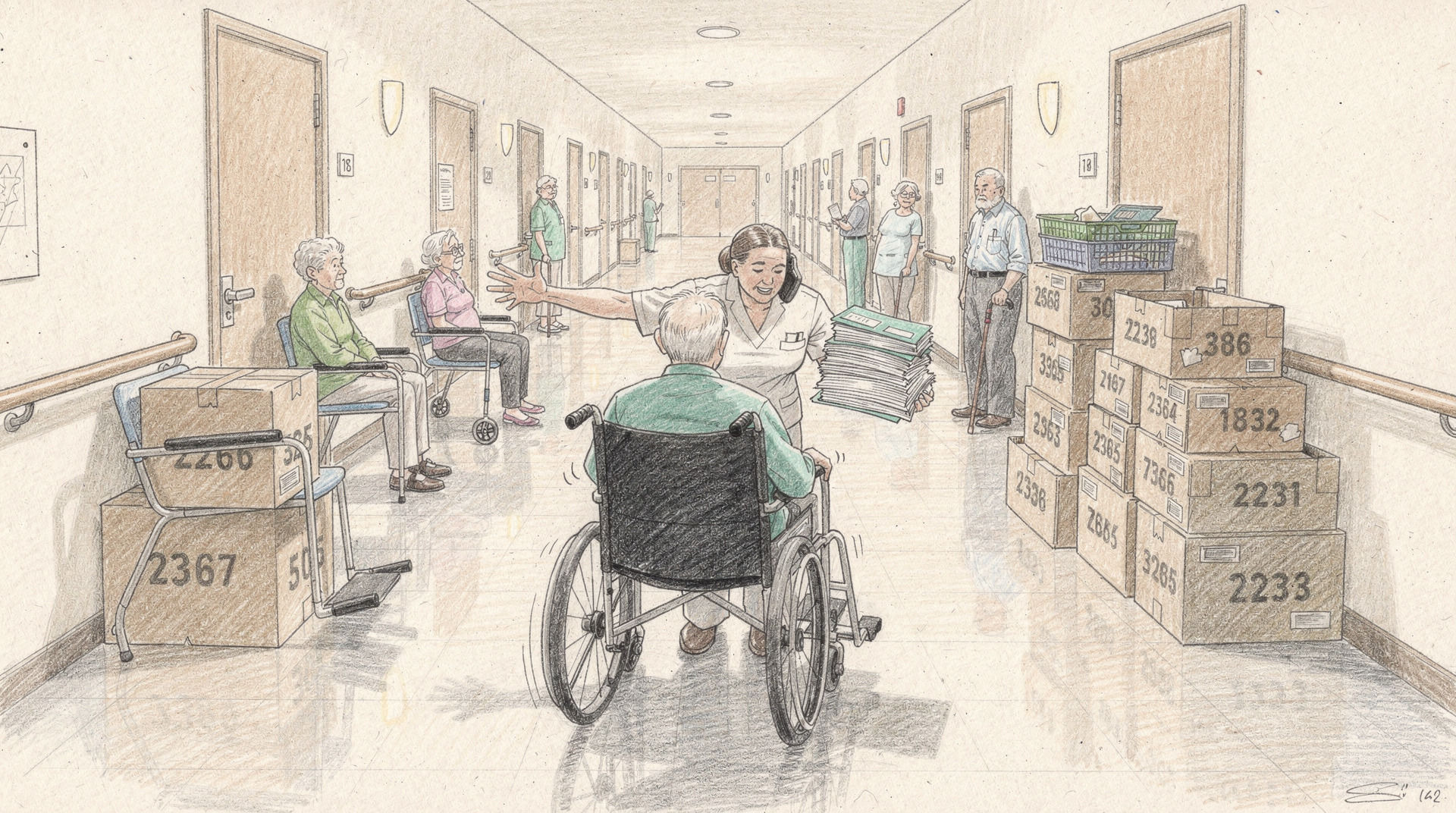
Care systems already stretched
Even before the surge hits, long-term care provision is struggling. Workforce shortages, uneven access and low pay dominate the sector. The paper shows that many countries are barely coping now, let alone preparing for what is coming.
Families hit the breaking point
Europe still leans heavily on informal care, often provided by women. The analysis warns that this model is collapsing as family sizes shrink and work pressures rise. The cost is burnout, inequality and lost productivity.
Money nobody wants to find
Preparing for the care surge means spending more – much more. The brief highlights the political discomfort around funding long-term care through taxes, insurance or co-payments. Delay does not save money; it simply shifts the bill to the future.
Migration won’t magically fix it
While foreign workers play a role, the paper pushes back against the idea that migration alone can plug care gaps. Training, integration and retention all take time, and competition for carers is intensifying across Europe.
Reform postponed is reform denied
Incremental tweaks are no longer enough. The analysis stresses that without structural reform now – financing, workforce policy and service organisation – systems will buckle under pressure.
The stark truth: Ageing will expose political cowardice
Europe knows this crisis is coming and still hesitates. The costs are visible, the timelines clear, and the excuses running out.
If governments keep postponing hard decisions, the care surge will arrive as chaos rather than transition. Europe will not just grow older – it will grow angrier, poorer and less capable of looking after its own.