World Center for Strategic Studies
From closed analysis to public debate

- MONTH
- YEAR

Germany Wakes Up Late on China: From Profits to Pressure
Germany’s China policy has flipped from cosy commerce to uneasy competition, and this report explains why the old model finally broke. Berlin spent years selling the idea of win-win trade while piling up dependency and risk. Now reality has intruded. China is no longer just a market. It is a strategic challenger, and Germany is scrambling to adjust without wrecking its own economy.
The study’s core argument is blunt. Germany’s shift is real, but hesitant. Berlin recognises the danger of overexposure to China, yet struggles to act decisively because its industrial model is deeply entangled with Chinese demand and supply chains. Strategy is changing faster than behaviour.
The win-win myth collapses
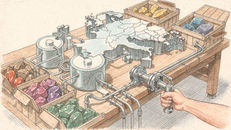
For years, Germany treated China as an economic partner insulated from politics. The analysis shows how this assumption failed as Beijing hardened its state-driven model and weaponised market access. Interdependence turned into leverage.
Industry dependence becomes a liability
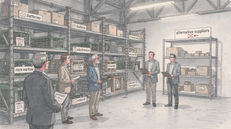
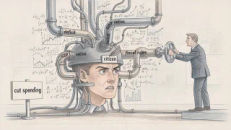
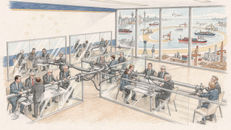
German carmakers, machinery firms and chemical giants are heavily exposed. The report details how profits from China created political caution at home, slowing any serious rethink and muting security concerns.
De-risking, not decoupling, sounds safer
Berlin avoids the language of rupture. De-risking promises balance, but the paper shows how vague this concept remains in practice. Exposure is acknowledged, yet concrete limits are hard to define and harder to enforce.
Washington tightens the frame
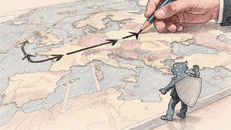
US pressure looms in the background. The study highlights how American export controls, technology rules and alliance expectations narrow Germany’s room to manoeuvre. Berlin adapts more than it leads.
Security enters the conversation late
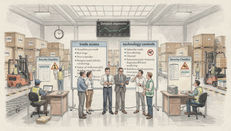
Concerns over technology transfer, critical infrastructure and dual-use exports are rising. The analysis shows how security thinking is being bolted onto an economic policy built for openness, creating friction and delay.
Europe follows Germany’s hesitation
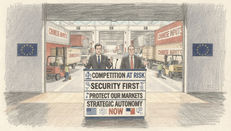
As the EU’s largest economy, Germany’s caution shapes the wider European stance. The report suggests that half-steps in Berlin translate into diluted action in Brussels.
The warning sign: Strategy shifts faster than reality.
Germany now talks the language of competition, but lives with the habits of dependence.
Until Berlin is willing to absorb real economic costs, its China policy will remain a careful pivot, not a clean break.