World Center for Strategic Studies
From closed analysis to public debate

- MONTH
- YEAR

The Iran War: A Test Case for Germany’s Credibility
On 12 March, an article entitled The Iran War: A Test Case for Germany’s Credibility by David Jalilvand and Stefan Meister, working for the German Council on Foreign Relations, was posted on the website of the Internationale Politik Quarterly journal. It discusses Germany’s issues and opportunities in connection with the U.S. and Israeli attack on Iran.
Germany finds itself on the sidelines of a major geopolitical crisis once again; the German government was informed of the bombings of Iran only shortly before they began – and not by the United States, but by Israel. And that in a region where, just a few years ago, Germany played an important role as a diplomatic mediator.
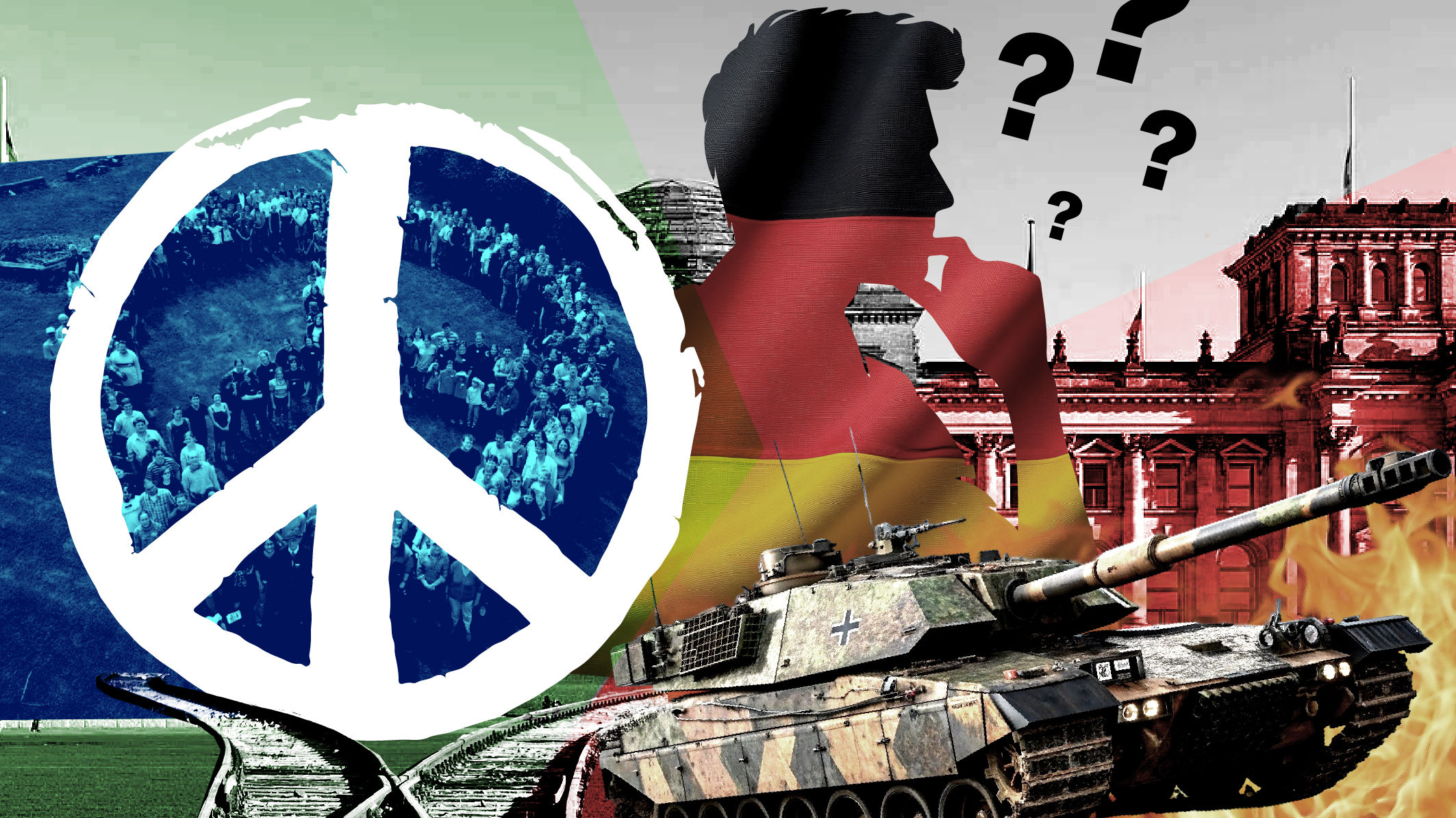
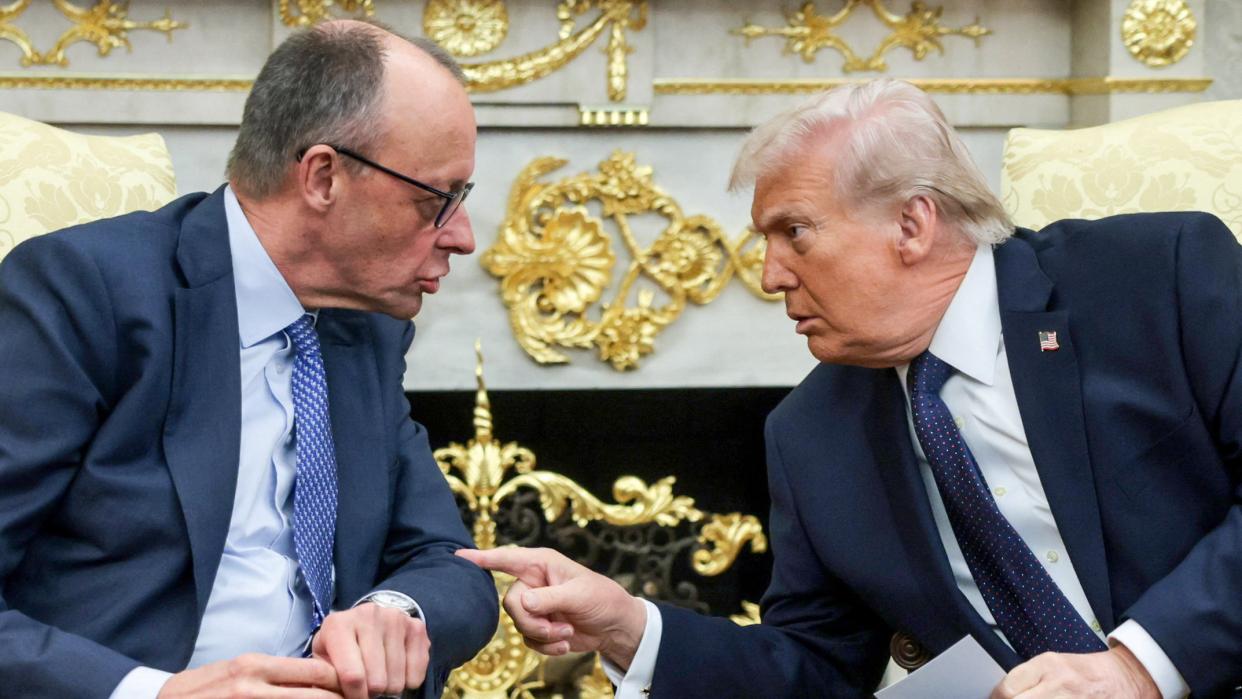
The author mentions the good personal relations between Chancellor Merz and President Trump but notes that they have yielded few tangible results for Germany so far. Germany is occupying a marginal place in the European context. In his justification of the war, the German chancellor went well beyond the joint E3 statements with France and the United Kingdom. Instead of contributing to the consolidation of a common European position, Germany once again has found itself on the fringes of the political spectrum, as was already the case in its policy regarding Israel’s war in Gaza.
The German government’s position on the Iran war weakens a central pillar of German foreign policy: international law and international rules. Yet these are particularly important for middle powers such as Germany
If Berlin undermines this order itself, it will accelerate the erosion of its own foreign policy influence. In conjunction with Germany's stance on the Gaza war, this further weakens Berlin's credibility and influence, especially in the Arab world and the Global South.
The German economy is already feeling the effects of the war. Trade routes are being disrupted, and energy and raw material prices are rising, which creates an inflationary pressure. The longer the war lasts, the greater its impact on the German economy will be.
The war in Iran could trigger new or intensify the existing refugee flows. If extended to the Caucasus, the conflict could disrupt key air traffic corridors and trade routes between Europe and Asia. Possible confrontations in the Red Sea involving the Houthis could disrupt shipping traffic once again.
After surviving the U.S. and Israeli attack, Iran is likely to become even more radicalized. Advocates for the creation of nuclear weapons will become more influential.
Berlin remains a marginal player in the Iran war but still follows in the wake of the U.S. policy. Yet there is a lot at stake for Germany. Given the strategic and economic costs of this war, it is essential for the country to rethink the situation and define its own interests.
Instead of advocating a war of aggression that runs counter to German interests in many respects, it should use the existing starting points for strategic damage control.
The author believes that Germany should first clearly state that the war is contrary to international law and highlight the risks associated with it. It would make sense to focus on intensive cooperation with regional powers such as Turkey and the Gulf states and offer steps to strengthen their defense capabilities.