World Center for Strategic Studies
From closed analysis to public debate

- MONTH
- YEAR

The Case for a European Union Digital Enforcement Authority
On March 5, 2026, BRUEGEL (Brussels European and Global Economic Laboratory), a think tank, published on their web site a policy brief The case for a European Union digital enforcement authority making a case for setting up an additional digital rights agency in the EU.
When it comes to enforcing their digital rules, the European Commission faces a dilemma. They can relax control to avoid retaliation from the US, yielding to pressure and undermining its own authority. Or, resisting this pressure, they can over-use its powers to penalise foreign competitors aiming to make the EU less dependent on foreign technology.
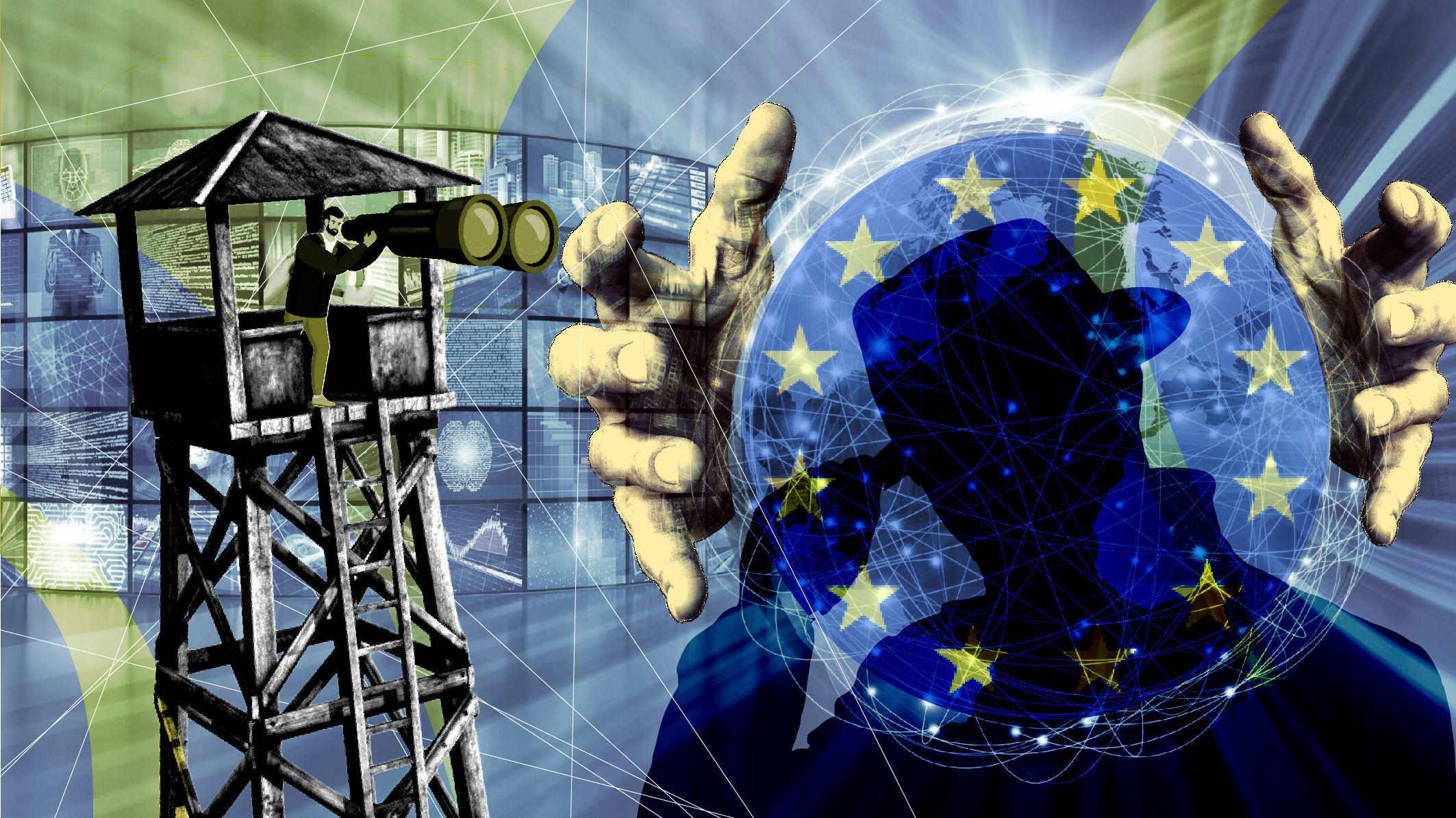
The US has openly demanded concessions on digital regulation in return for EU steel duties reduction. The European Commission has a history of yielding to the US under the pressure of trade threats. These cases have undermined the Commission’s credibility as a digital-rules enforcer.
Perhaps, it makes sense to delegate to an independent agency the digital enforcement powers given to the European Commission by the Digital Markets Act (DMA), Digital Services Act (DSA), and Artificial Intelligence (AI) Act.
There are independent agencies with enforcement powers in the EU already, including the power to impose financial sanctions on private entities. These are the European Securities and Markets Authority (ESMA) and the Anti-Money Laundering Authority (AMLA).
These agencies were established to ensure insulation from political influence. They are also to serve as “lightning rods” protecting politicians from public blame when unpopular decisions are made. Independence would be particularly welcome in the situation of external pressure in the enforcement of the EU’s digital rules.
The EU governments are reluctant to approve the establishment of independent EU regulating bodies. Yet the member states have also been increasingly vocal about the need for stronger enforcement of the EU digital rules.
For the DMA, establishing an independent agency will lower the risk of over- or under-enforcement. However, this would come at a high price as the DMA overlaps with the EU anti-monopoly policy. It creates a synergy in the work of the Commission, which will be lost if the Commission stops enforcing the DMA.
The regulatory framework for AI is not sufficiently stable yet as AI is evolving rapidly. In this situation the benefits of turning over control to an independent agency is outweighed by the drawback of critical experts leaving the Commission.
The DSA is under the greatest political pressure because of its links to freedom of speech. The US House of Representatives Judiciary Committee released a report on the DSA, titled “The Foreign Censorship Threat: How the European Union’s Digital Services Act Compels Global Censorship and Infringes on American Free Speech”.
Therefore, creating an independent regulating body would yield significant benefits by minimizing the risk of pressure and providing the necessary legal basis to tackle harmful online content.
A new agency can be established by a “staff spinoff” from the European Commission. According to a rough calculation, the DSA could need 200-250 staff members to supervise 21 organizations.