World Center for Strategic Studies
From closed analysis to public debate

- MONTH
- YEAR

Germany After Zeitenwende: Big Promises, Familiar Limits
The analysis takes stock of Germany’s security and defence policy after the Zeitenwende and finds a country still struggling to turn shock into sustained change. A new government brings new language and fresh emphasis, but the paper argues that the deeper constraints remain firmly in place. Germany talks more openly about power and responsibility. Delivering on it is another matter.
At its core, the study says the Zeitenwende marked a psychological break, not a completed transformation. Berlin now accepts that military force, deterrence and defence spending matter again. Yet old habits, political caution and structural bottlenecks continue to slow progress. The gap between intent and capability is narrowing only slowly.
Rhetoric shifted, systems lag
Germany’s strategic language has hardened since 2022. The analysis shows clearer acknowledgement of threats and obligations. But procurement systems, force readiness and industrial capacity still move at peacetime speed.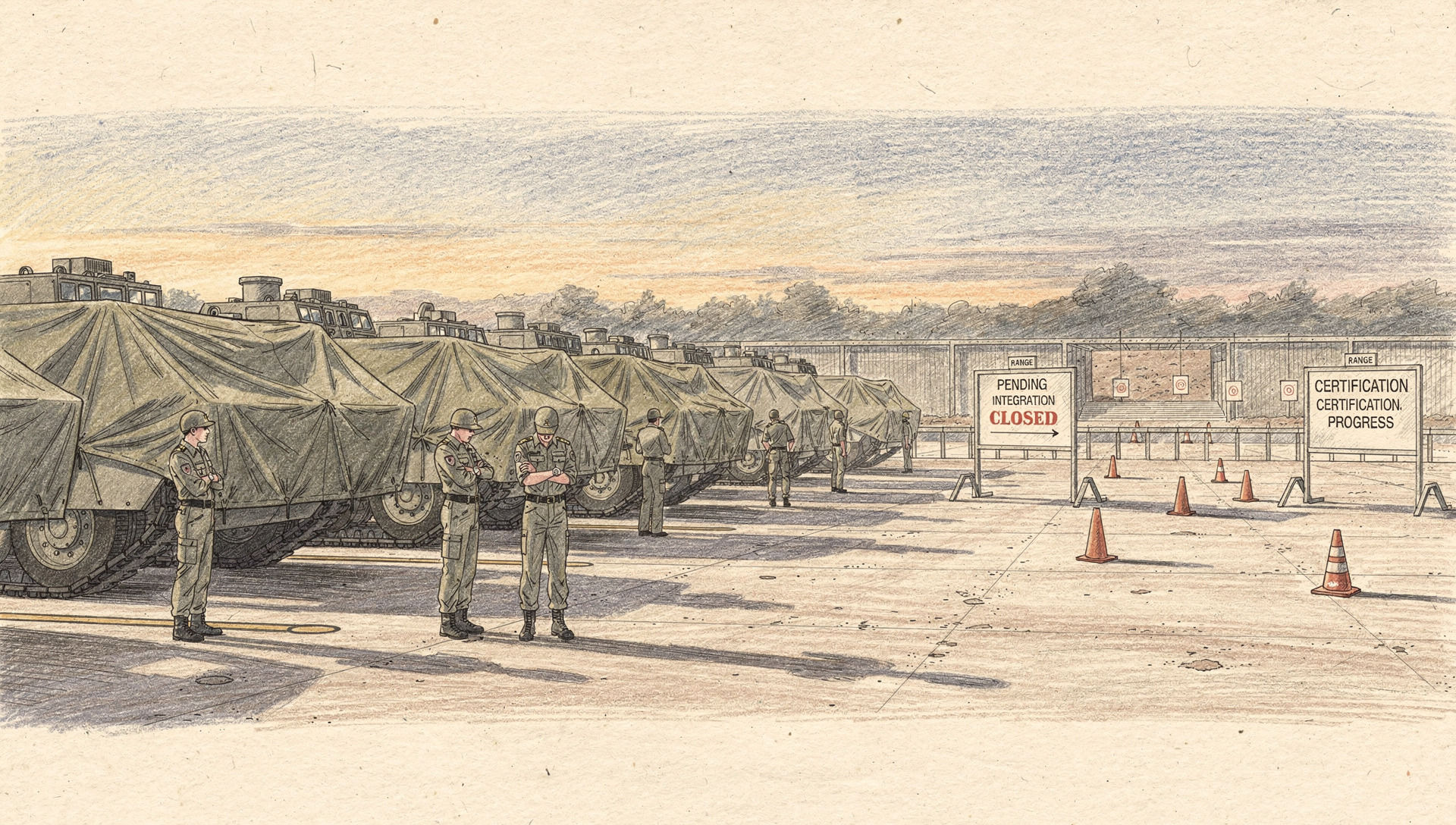
Money promised, capability delayed
Higher defence budgets signal seriousness, but the paper underlines how translating funds into usable capability remains painfully slow. Contracts, delivery timelines and integration problems blunt impact.
Coalition politics keeps its grip
Internal bargaining shapes outcomes. The analysis highlights how consensus-driven politics dilute priorities, spreading resources thin instead of concentrating them where deterrence needs them most.
NATO expectations rise faster
Allies expect Germany to anchor Europe’s defence effort. The paper frames this as growing external pressure – Berlin’s leadership role is assumed, but its output is closely scrutinised.
Ukraine drives urgency
Support for Ukraine remains central to Germany’s credibility. The analysis warns that sustaining military aid while rebuilding national readiness stretches capacity and political patience.
Autonomy still aspirational
Despite talk of European responsibility, Germany remains heavily reliant on US enablers. The paper stresses that real autonomy requires industrial scale and faster decision-making Germany has yet to achieve.
The stark truth: Zeitenwende is a process, not a result
Germany has changed course, but not speed.
If Berlin cannot accelerate delivery and prioritisation, the Zeitenwende risks becoming a permanent transition rather than a turning point. Germany may be more aware of its security role – but awareness alone will not deter adversaries or reassure allies.



.jpg?tr=cm-pad_resize,w-231)