World Center for Strategic Studies
From closed analysis to public debate

- MONTH
- YEAR

Germany’s Economy Turns Dead Weight: From Engine to Anchor
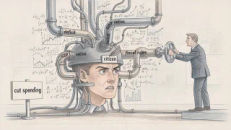
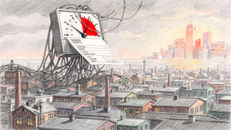
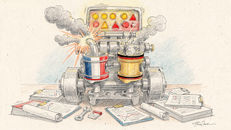
The commentary delivers a sobering verdict on Europe’s largest economy – Germany is no longer driving the continent forward. It is holding it back. Once the EU’s growth engine, Germany has become an anchor dragging on European performance, confidence and ambition. The piece argues this is not a short-term dip but the result of deep structural failures now colliding at once.
At its core, the analysis shows how Germany’s old economic model has run out of road. Cheap energy, strong exports and industrial dominance can no longer be taken for granted. What replaces them is uncertainty, weak growth and a political class struggling to adapt fast enough. For Europe, this matters immediately – when Germany stalls, the whole bloc feels it.
The engine stalls – and keeps stalling
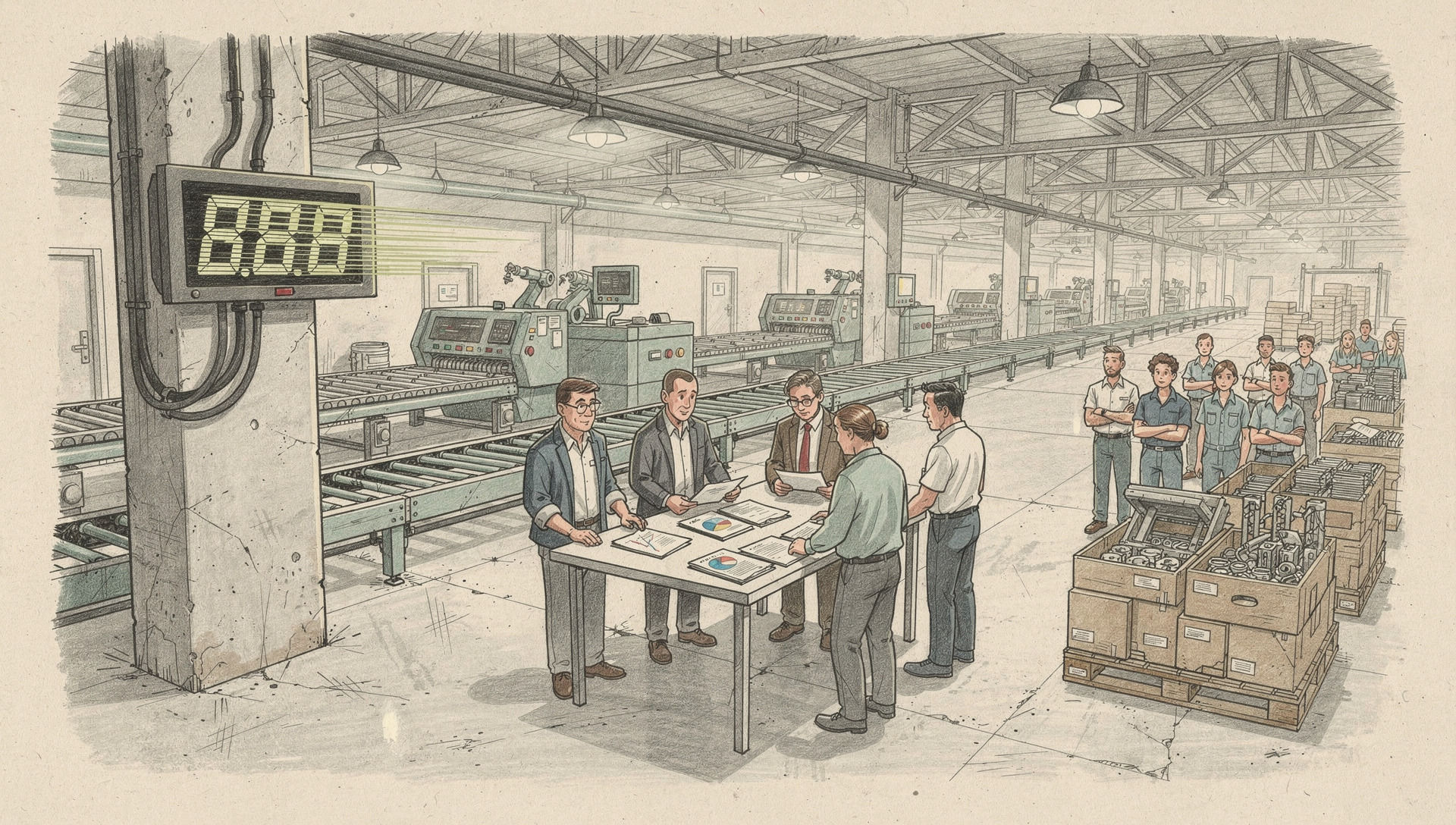
Germany’s economy has flatlined while others move ahead. The analysis points to stagnant productivity, low investment and shrinking competitiveness. What once powered Europe now struggles to move itself.
Energy shock broke the model
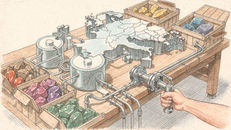
High energy costs hit German industry hard. The paper shows how reliance on cheap Russian gas left firms exposed and forced painful adjustments. Recovery has been slow and uneven, with no quick fix in sight.
Industry under pressure
Manufacturing remains central to Germany’s identity, but the ground has shifted. Global competition, green transition costs and supply-chain risks are squeezing margins. The analysis makes clear that adaptation is lagging behind reality.
Politics blocks momentum
Coalition infighting and fiscal caution limit the response. The commentary highlights how budget rules and political hesitation restrict investment just when bold action is needed. Process overwhelms urgency.
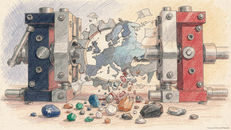
Europe pays the price
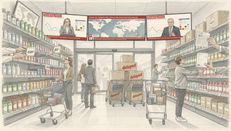
Germany’s slowdown does not stay at home. Weaker demand, slower decision-making and reduced leadership ripple across the EU. The analysis frames this as a collective problem with no easy workaround.
Rivals don’t wait
While Germany debates, others act. The US subsidises, China plans and invests. The paper underlines how delay widens the gap and locks in disadvantage.
The ugly reality: Europe’s anchor is self-made
Germany’s troubles are not fate. They are the result of choices deferred and warnings ignored.
Unless Berlin resets its economic strategy, the drag will deepen. Germany may not collapse, but it risks normalising stagnation – and taking Europe down a slower, weaker path with it.